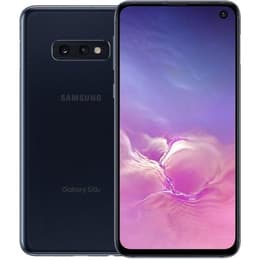
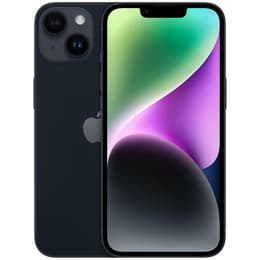
Galaxy S10E • Unlocked vs iPhone 14 • Locked T-Mobile

Galaxy S10E • Unlocked
Starting at

Refurbished price:$117.00

Versus $459.00 new

See options
iPhone 14 • Locked T-Mobile
Starting at

Refurbished price:$239.00

Versus $599.00 new

See options

Ratings

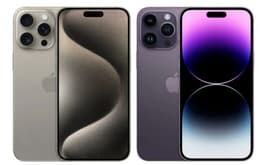
The Samsung Galaxy S10e, released in March 2019, and the iPhone 14, launched in September 2022, represent different generations and operating systems in the smartphone landscape. While the Galaxy S10e offers a compact Android experience, the iPhone 14 provides a more recent iOS platform with updated hardware and features. These devices cater to users with distinct preferences for size, software ecosystem, and performance expectations.

Scores

Durability

The practical lifespan of a smartphone is significantly influenced by its release date and subsequent software support. The Galaxy S10e, being an older model, has reached the end of its major Android operating system updates, while the iPhone 14 benefits from several more years of guaranteed iOS updates.

  • Software Longevity: The iPhone 14, released in 2022, is expected to receive iOS updates for a longer duration, likely until 2028-2029, providing extended access to new features and security patches. In contrast, the Galaxy S10e, released in 2019, concluded its major Android OS updates with Android 12, meaning it will no longer receive the latest Android versions or feature enhancements.
  • Security Updates: While the Galaxy S10e may still receive occasional security patches, their frequency and duration are significantly reduced compared to the iPhone 14, which will continue to receive regular and timely security updates for several more years.
  • Repairability and Parts Availability: Both devices have a moderate level of repairability. However, as the Galaxy S10e ages, finding official replacement parts may become more challenging than for the more recently released iPhone 14.

Release Year

2019

2022

Last OS Compatibility

No

Yes

OS

Android

iOS

Foldable

No

No

Performance

Performance is a key differentiator between these two smartphones, largely due to the generational gap in their internal components and software optimization.

  • Everyday Responsiveness: The iPhone 14 offers a highly responsive user experience, handling demanding applications, complex multitasking, and graphic-intensive games with ease. The Galaxy S10e, while capable for general use, may exhibit slower app loading times and less fluid multitasking with newer, more resource-intensive applications due to its older processor.
  • Storage Options: The iPhone 14 is available with internal storage options of 128GB, 256GB, and 512GB. The Galaxy S10e was offered with 128GB or 256GB of internal storage, with the added flexibility of expandable storage via a microSD card.
  • Battery Behavior: The iPhone 14 features a 3279 mAh battery, providing a full day of typical use for many users. The Galaxy S10e has a 3100 mAh battery, which for its time offered a respectable duration, but may require more frequent charging for heavy users today, especially given its age.

Memory (GB)

6 GB

6 GB

Screen quality

The display technologies and specifications of the Galaxy S10e and iPhone 14 offer distinct visual experiences, catering to different preferences in size and visual fidelity.

  • Display Technology and Clarity: The iPhone 14 features a 6.1-inch Super Retina XDR OLED display, known for its deep blacks, vibrant colors, and high contrast. It has a resolution of 2532 x 1170 pixels at approximately 460 pixels per inch (ppi). The Galaxy S10e sports a more compact 5.8-inch Dynamic AMOLED display with a resolution of 2280 x 1080 pixels, resulting in a clear viewing experience.
  • Brightness and Outdoor Visibility: The iPhone 14 offers higher typical and peak brightness levels, making it more comfortable to view content in bright outdoor conditions or when consuming HDR content. The Galaxy S10e's display, while bright for its generation, may not match the iPhone 14's peak luminosity.
  • Refresh Rate: Both devices feature a standard 60Hz refresh rate, providing a smooth experience for general navigation and content consumption.

Resolution

1080 x 2280

1170 x 2532

Screen type

Dynamic AMOLED

Super Retina XDR OLED

Audiovisual

Both smartphones offer capable camera systems, but the iPhone 14 benefits from more advanced computational photography and video features due to its newer release.

  • Rear Camera System: The iPhone 14 features a dual-camera system with a 12MP main sensor and a 12MP ultrawide sensor, both benefiting from improved low-light performance and computational photography enhancements like Photonic Engine. The Galaxy S10e also has a dual-camera setup, consisting of a 12MP wide-angle lens and a 16MP ultrawide lens, which delivered strong performance for its time, especially in good lighting conditions.
  • Video Recording Capabilities: The iPhone 14 offers advanced video features such as Cinematic mode for depth-of-field effects and Action mode for enhanced stabilization, supporting 4K video recording at various frame rates. The Galaxy S10e is capable of recording 4K video at 60 frames per second.
  • Front Camera: The iPhone 14 includes a 12MP front camera with autofocus, improving selfie clarity. The Galaxy S10e features a 10MP front camera.
  • Audio Experience: Both devices offer stereo speakers for an immersive audio experience. The Galaxy S10e retains a 3.5mm headphone jack, a feature absent on the iPhone 14.

Main camera

12 megapixels

12 megapixels

Front camera

10 megapixels

12 megapixels

Miscellaneous

Beyond core performance and display, several practical elements contribute to the overall user experience and differentiate these two devices.

  • Connectivity: The iPhone 14 supports 5G connectivity, offering faster mobile data speeds where available, along with Wi-Fi 6 and Bluetooth 5.3. The Galaxy S10e supports 4G LTE, Wi-Fi 6, and Bluetooth 5.0.
  • Ports and Biometrics: The iPhone 14 uses a Lightning port for charging and data transfer and relies on Face ID for secure authentication. The Galaxy S10e features a USB-C port and includes a side-mounted fingerprint sensor for unlocking. It also retains the 3.5mm headphone jack.
  • Physical Design and Durability: Both devices feature glass and aluminum constructions and are rated for water and dust resistance (IP68). The Galaxy S10e is notably more compact and lighter at 150g, compared to the iPhone 14's 172g, making it easier for one-handed use.

Weight

5 oz

6 oz

Screen size (inches)

5.8

6.1

Network

LTE

5G

SIM card

Physical SIM

eSIM

Carrier compatibility

Unlocked

T-Mobile

Connector

USB-C + Jack 3.5mm

Lightning

The Samsung Galaxy S10e and iPhone 14 cater to different user needs and preferences, largely influenced by their respective release timelines and operating systems. Users often praise the Galaxy S10e for its compact form factor, making it comfortable for one-handed use, and the inclusion of a traditional headphone jack and expandable storage. Its Dynamic AMOLED display was also well-regarded for its vibrant colors. However, common criticisms revolve around its aging software support and battery life that may not keep up with modern demands.

The iPhone 14, on the other hand, is frequently lauded for its robust performance, extended software update longevity, and advanced camera capabilities, particularly in video recording and low-light photography. Users appreciate the seamless integration within the Apple ecosystem and the consistent user experience. Some common feedback points include the lack of a headphone jack and the absence of expandable storage.

Users prioritizing a compact device with an Android operating system, expandable storage, and a headphone jack may find the Galaxy S10e a suitable option, especially for lighter usage. Conversely, those who value long-term software support, cutting-edge performance, advanced camera features, and the iOS ecosystem will likely lean towards the iPhone 14. Both devices, when considered as quality-assured refurbished options, offer a sustainable choice for consumers looking to extend the life cycle of electronic products.


See all articles

Our recent comparisons