
Compare models
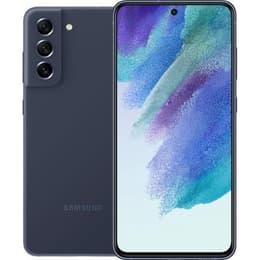
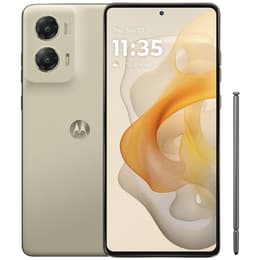
Galaxy S21 FE 5G • Locked AT&T vs Motorola Moto G Stylus 5G (2024) • Unlocked
- 1-year warranty
- Free standard shipping
- Free 30-day returns
Differences at a glance
The Samsung Galaxy S21 FE 5G (Locked AT&T) and the Motorola Moto G Stylus 5G (2024, Unlocked) represent two distinct approaches to everyday mobile technology, combining polished smartphone design with practical features. While the Samsung model originates from an earlier generation with a focus on streamlined flagship attributes, the Motorola device arrives as a modern release emphasizing integrated productivity tools and media versatility. Both run on the Android operating system with customized manufacturer interfaces, yet they cater to different expectations regarding everyday handling and utility.
Available Models
Color
Storage
Scores
Durability
When examining longevity and hardware durability, these two devices reflect different release timelines and software update support spans.
- Release timeline and age: The Galaxy S21 FE debuted earlier, meaning a portion of its active software support window has already passed, whereas the Moto G Stylus 5G launched more recently in 2024.
- Software support duration: Samsung provides a structured multi-year update path for its device line, while Motorola offers standard generational system updates alongside security patches.
- Build protection: The Samsung model features robust water and dust resistance alongside durable glass protection, whereas the Motorola alternative utilizes a water-repellent design with a textured vegan leather back finish.
Release Year
2022
2024
Last OS Compatibility
Yes
Yes
OS
Android
Android
Foldable
No
No
Performance
Performance capabilities and day-to-day responsiveness vary between the two models based on their internal hardware configurations and battery management.
- Processor capabilities: Both devices handle daily tasks, web browsing, and social media apps fluidly, though heavier 3D gaming and intense multitasking behave differently due to distinct thermal designs and processing generations.
- Battery behavior: The Motorola model incorporates a larger battery capacity designed to comfortably last through a full day of heavy use, while the Samsung model relies on a slightly smaller power cell that may require a midday top-up during intensive workloads.
- Memory and storage: Generous onboard storage configurations on both devices ensure ample space for applications, photos, and offline media files alongside sufficient random access memory for switching between active programs.
Screen quality
Display technology shapes the visual experience, offering distinct panel types and viewing characteristics for media consumption.
- Display technology: The Samsung model utilizes a vibrant Dynamic AMOLED panel known for deep contrast levels, while the Motorola device employs a bright pOLED screen with rich color reproduction.
- Refresh rate and smoothness: Both smartphones support a 120Hz refresh rate, ensuring fluid scrolling through menus, web pages, and supported applications.
- Outdoor visibility: High peak brightness capabilities on both screens allow for clear readability under bright sunlight or outdoor lighting conditions.
Resolution
1080 x 2340
1080 x 2400
Screen type
Dynamic AMOLED 2X
P-OLED
Audiovisual
Multimedia capabilities and photography hardware address different creative needs for everyday recording and casual snapshots.
- Camera systems: The Samsung device features a versatile triple-lens setup including a dedicated telephoto lens for optical zoom, whereas the Motorola alternative focuses on a dual-camera system highlighted by a high-resolution main sensor with optical image stabilization.
- Low-light and video: Both models process low-light scenes effectively using multi-frame blending techniques and provide stable video recording options for standard sharing and home videos.
- Audio and media output: Stereo speaker setups on both devices deliver clear sound output for casual video viewing, hands-free calls, and listening to audio without headphones.
Main camera
12 megapixels
50 megapixels
Front camera
32 megapixels
32 megapixels
Miscellaneous
Practical daily usability is influenced by physical dimensions, connectivity standards, and unique hardware accessories.
- Connectivity and ports: Both smartphones support modern 5G networks, fast Wi-Fi standards, and Bluetooth pairing, utilizing reversible USB Type-C ports for charging and data transfer.
- Physical handling: The Samsung model provides a lighter, more compact form factor that fits easily into smaller pockets, while the Motorola device offers a slightly wider footprint to accommodate its built-in stylus accessory.
- Authentication sensors: Secure biometric unlocking is handled via responsive optical fingerprint sensors integrated directly beneath the display panels on both phones.
Weight
7 oz
7 oz
Screen size (inches)
6.4
6.7
Network
5G
5G
SIM card
Physical SIM
Physical SIM
Carrier compatibility
AT&T
Unlocked
What the community thinks
User feedback from online communities highlights distinct preferences for each device. Owners of the Galaxy S21 FE frequently praise its compact dimensions, screen sharpness, and versatile multi-lens camera layout, though some note that battery levels deplete quickly under heavy usage. Conversely, users of the Motorola Moto G Stylus 5G appreciate the inclusion of the physical writing utensil, reliable battery endurance, and generous storage space, while occasionally mentioning that the larger body size takes time to get used to in one-handed scenarios.
Users prioritizing a compact build and optical zoom capabilities may prefer the Samsung Galaxy S21 FE 5G, while users prioritizing integrated productivity tools and extended battery endurance will lean toward the Motorola Moto G Stylus 5G (2024). Those evaluating sustainable hardware choices can also explore a quality-assured refurbished option as an eco-friendly alternative that reduces electronic waste. Ultimately, selecting the right device depends on whether daily routines center around media capture or note-taking utility.