Compare models
Galaxy S22+ 5G • Unlocked vs iPhone Air • Unlocked
- 1-year warranty
- Free standard shipping
- Free 30-day returns
Differences at a glance
The Samsung Galaxy S22+ 5G (2022) and the Apple iPhone Air (2025) represent two distinct approaches to high-end mobile engineering across different operating systems. While the Samsung device runs on Android with a traditional flagship build, Apple's model introduces an ultra-thin profile powered by iOS. These devices differ significantly in their launch timelines, hardware philosophy, and physical execution.
Available Models
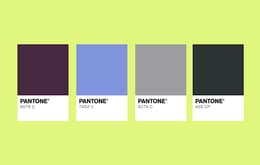
Color
Storage (GB)
Scores
Durability
When evaluating hardware longevity, these two smartphones reflect different generations of software support and physical design durability. Both options are built to withstand daily wear, though their timelines differ.
- Release timeline and software support: The Galaxy S22+ debuted in early 2022 running Android, while the iPhone Air launched in late 2025 running iOS. The iPhone model benefits from a more recent release date, giving it a longer remaining window for official system updates.
- Build resilience and materials: The Samsung model utilizes an aluminum frame protected by strong glass, whereas the Apple device employs a titanium frame paired with scratch-resistant front and rear glass shields. Both hold official water and dust resistance ratings for everyday protection.
- Expected practical lifespan: Users can expect solid multi-year usability from both devices, though the newer Apple model starts with a distinct advantage in software lifespan headroom due to its later market entry.
Release Year
2022
2025
Last OS Compatibility
Yes
Yes
OS
Android
iOS
Foldable
No
No
Performance
Underneath the exterior, both devices manage demanding daily workflows, heavy multitasking, and mobile gaming smoothly, though they handle memory and power management differently.
- Everyday responsiveness and multitasking: Both models handle app switching, web browsing, and graphics-heavy games with ease, aided by ample memory configurations that keep background processes active without stuttering.
- Storage capacity offerings: The Samsung device typically begins at 128 gigabytes of storage, whereas the Apple option starts at 256 gigabytes, catering to users who store large media libraries locally.
- Battery behavior and charging: The Galaxy S22+ features a moderate battery capacity designed to last through a standard day of mixed use, while the slim profile of the iPhone Air houses a smaller battery cell that requires careful power management during intensive tasks.
Screen quality
Display technology is a strong point for both smartphones, offering crisp visuals, deep contrast levels, and smooth motion handling for media consumption.
- Display panels and clarity: Both phones utilize advanced organic light-emitting diode (OLED) technology that delivers rich colors and deep black levels, paired with high resolutions that ensure sharp text and image rendering.
- Brightness and outdoor visibility: High peak brightness capabilities on both screens allow content to remain clearly visible even under direct sunlight.
- Refresh rate and smoothness: Both displays support adaptive or high refresh rates peaking at 120 hertz, resulting in fluid scrolling through menus, web pages, and supported applications.
Resolution
1080 x 2340
2736x1260
Screen type
Dynamic AMOLED 2X
Super Retina XDR
Audiovisual
Optics and media playback capabilities vary notably between the two handsets, reflecting different priorities in hardware configuration.
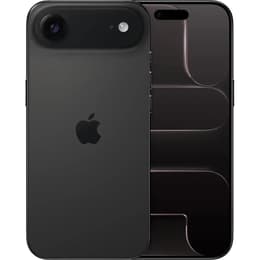
- Camera system versatility: The Galaxy S22+ incorporates a multi-lens rear setup including a main wide sensor, an ultra-wide lens, and a telephoto lens for optical zoom. In contrast, the iPhone Air relies on a single, high-resolution main camera system embedded within a raised rear plateau.
- Photo and video output: The Samsung offers versatile framing options through its dedicated zoom lens, while the Apple device leverages advanced image processing for detailed single-lens captures and stable high-definition video recording.
- Audio and media consumption: Media playback differs as the Samsung model provides standard multi-speaker output, whereas the iPhone Air utilizes a streamlined single-speaker setup to accommodate its ultra-slim chassis.
Main camera
50 megapixels
48 megapixels
Front camera
10 megapixels
18 megapixels
Miscellaneous
Practical usability is shaped by physical dimensions, connectivity standards, and daily handling characteristics.
- Physical dimensions and weight: The Galaxy S22+ features a standard flagship thickness and weight, whereas the iPhone Air prioritizes an extremely thin profile measuring just over five millimeters and a notably light construction.
- Connectivity and ports: Both devices support modern 5G cellular networks, fast Wi-Fi standards, and universal USB-C ports for charging and data transfer.
- Biometrics and security: Samsung relies on an ultrasonic in-display fingerprint sensor, while Apple utilizes secure facial recognition technology housed within the display cutout.
Weight
7 oz
185 oz
Screen size (inches)
6.6
6.5
Network
5G
5G
SIM card
Physical SIM + eSIM
eSIM
Carrier compatibility
Unlocked
Unlocked
Connector
USB-C
USB-C
What the community thinks
User feedback from online communities highlights distinct user preferences for each device. Owners of the Galaxy S22+ frequently praise its balanced multi-lens camera versatility, comfortable traditional ergonomics, and reliable daily performance. Common discussions note that heavy users may need a midday charge due to the moderate battery capacity. On the other hand, owners of the iPhone Air highlight its striking lightweight feel, premium titanium build, and vibrant display as standout daily benefits, while noting the trade-offs of having a single rear camera lens and a smaller battery footprint.
Users who prioritize a versatile multi-lens camera system, expandable workflow options, and Android software may prefer the Galaxy S22+, while users who value an ultra-slim physical profile, lightweight handling, and iOS integration will find the iPhone Air well-suited to their needs. Choosing between them depends entirely on whether physical minimalism or hardware versatility takes precedence. For buyers seeking a sustainable choice, exploring a quality-assured refurbished option provides a practical way to acquire either device while supporting eco-friendly technology consumption.