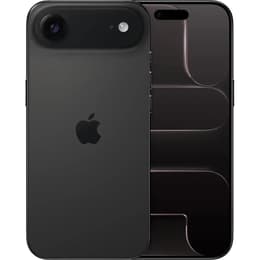

Compare models
Galaxy S24 • Unlocked vs iPhone Air • Unlocked
- 1-year warranty
- Free standard shipping
- Free 30-day returns
Differences at a glance
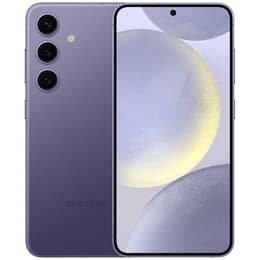
The Samsung Galaxy S24 (2024) and the Apple iPhone Air (2025) represent two distinct philosophies in modern smartphone design, combining compact or ultra-slim engineering with high-end capabilities. While the Galaxy S24 provides a traditional, pocket-friendly flagship Android experience, the iPhone Air introduces a radically thin profile running iOS. Both models cater to users seeking refined performance, though they differ significantly in operating system ecosystems and physical form factors.
Available Models
Color
Storage (GB)
Scores
Durability
Both devices are built for long-term ownership, featuring durable metal-and-glass construction and extended software support timelines typical of flagship tier releases.
- Software longevity: The Galaxy S24 offers multi-year Android and security updates, while the iPhone Air benefits from Apple's extended iOS support cycle and regular system patches.
- Build durability: The Galaxy S24 utilizes an armor aluminum frame alongside scratch-resistant glass, whereas the iPhone Air employs a titanium frame paired with reinforced front and back glass protection.
- Repairability: Both manufacturers provide structured repair programs, though the exceptionally thin chassis of the iPhone Air presents unique structural considerations for maintenance over time.
Release Year
2024
2025
Last OS Compatibility
Yes
Yes
OS
Android
iOS
Foldable
No
No
Performance
Equipped with powerful current-generation internal hardware, both smartphones handle daily tasks, demanding applications, and heavy multitasking with ease.
- Storage and memory: The Galaxy S24 features standard RAM configurations paired with multiple storage tiers, while the iPhone Air provides expanded high-capacity memory configurations for large media libraries.
- Battery behavior: The Galaxy S24 manages power efficiently for a full day of mixed use, whereas the iPhone Air balances its ultra-thin battery capacity with power-saving processor efficiencies.
- System responsiveness: Both devices load apps instantly, switch between background tasks seamlessly, and maintain smooth frame rates during intensive usage.
Screen quality
The display assemblies on both phones deliver sharp detail, vivid color reproduction, and high refresh rates for fluid scrolling and media consumption.
- Display technology: The Galaxy S24 features a vibrant OLED screen with deep contrast, while the iPhone Air incorporates a slightly larger Super Retina XDR OLED panel with adaptive refresh technology.
- Brightness and outdoor visibility: Both models reach high peak brightness levels, ensuring readability under direct sunlight and outdoor environments.
- Viewing experience: The Galaxy S24 offers a compact screen footprint for single-handed use, whereas the iPhone Air provides a more expansive viewing area for videos and reading.
Resolution
1080 x 2340
2736x1260
Screen type
Dynamic LTPO AMOLED 2X
Super Retina XDR
Audiovisual
Camera capabilities differ notably between the two models, reflecting alternative choices in lens configurations and image processing systems.
- Rear camera systems: The Galaxy S24 employs a versatile multi-lens setup including a main, ultra-wide, and telephoto zoom lens, whereas the iPhone Air streamlines photography with a single high-resolution primary sensor.
- Low-light and video performance: Both phones capture clear details in dim environments and record stable, high-definition video with clean audio input from built-in microphone arrays.
- Media and audio output: Speaker systems on both devices deliver clear sound for hands-free calls and casual media playback without requiring external accessories.
Main camera
50 megapixels
48 megapixels
Front camera
12 megapixels
18 megapixels
Miscellaneous
Practical daily usability features, connectivity standards, and physical dimensions define how each device integrates into a user's routine.
- Connectivity and ports: Both models support rapid 5G networks, modern Wi-Fi standards, and Bluetooth connections through a universal USB-C data and charging port.
- Security and biometrics: The Galaxy S24 uses an in-display fingerprint sensor and facial recognition, while the iPhone Air relies exclusively on advanced facial scanning technology.
- Handling and dimensions: The Galaxy S24 emphasizes a traditional, easy-to-grip form factor, whereas the iPhone Air stands out with its exceptionally thin profile and light overall weight.
Weight
6 oz
185 oz
Screen size (inches)
6.2
6.5
Network
5G
5G
SIM card
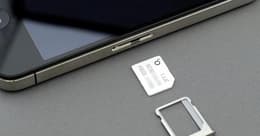
Physical SIM + eSIM
eSIM
Carrier compatibility
Unlocked
Unlocked
Connector
USB-C
USB-C
What the community thinks
Choosing between the Samsung Galaxy S24 and the Apple iPhone Air largely depends on personal preference for operating systems and physical design. Users prioritizing a traditional compact feel, versatile multi-lens photography, and the flexibility of the Android ecosystem will find the Galaxy S24 well-suited to their daily routines. Conversely, users who prefer iOS, value an exceptionally thin and lightweight chassis, and favor a streamlined single-camera approach may lean toward the iPhone Air. For those exploring sustainable purchasing options, choosing a quality-assured refurbished option provides an eco-friendly alternative that reduces electronic waste while delivering reliable, high-end performance.