
Galaxy Z Flip4 • Unlocked vs iPhone 16e • Unlocked

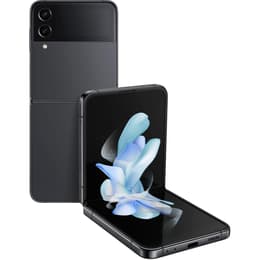
Galaxy Z Flip4 • Unlocked
Starting at

Refurbished price:$206.99

Versus $899.99 new

See options
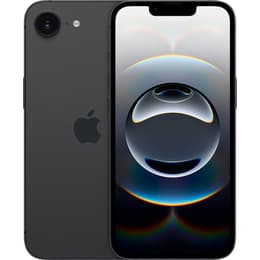
iPhone 16e • Unlocked
Starting at

Refurbished price:$361.00

Versus $599.00 new

See options

Ratings

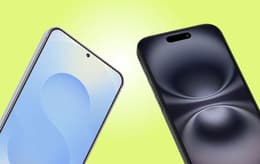
The Samsung Galaxy Z Flip4, released in August 2022, introduced a unique foldable clamshell design running on the Android operating system. In contrast, the iPhone 16E, launched in February 2025, offers a traditional smartphone form factor powered by Apple's iOS. These devices cater to different user preferences, primarily distinguished by their physical design and underlying software ecosystems.

Scores

Durability

When considering the long-term usability of a smartphone, factors like release timeline, software support, and physical resilience are important.

  • Release and Support: The Galaxy Z Flip4, released in August 2022, shipped with Android 12L and is expected to receive software updates for approximately four to five years, potentially reaching Android 16 with One UI 8. The iPhone 16E, released in February 2025, launched with iOS 18.3 and is designed to support future iOS versions, including iOS 26, offering a longer period of software relevance due to its newer release date. [1, 4]
  • Physical Durability: The Galaxy Z Flip4 features an Armor Aluminum frame and Gorilla Glass Victus+ protecting its cover screen, along with an IPX8 water resistance rating, meaning it can withstand submersion in water. The iPhone 16E boasts a Ceramic Shield front cover, a matte finished back glass, and an aluminum frame, coupled with an IP68 rating for both dust and water resistance, providing a higher degree of protection against dust ingress. [1, 2, 4, 21, 23]
  • Practical Lifespan: While both devices are built to last, the iPhone 16E's more recent release and Apple's typically longer software support cycles suggest it may offer a slightly extended practical lifespan in terms of receiving the latest operating system features and security updates. The Z Flip4's foldable design introduces a mechanical element that traditional smartphones do not have, which can be a consideration for some users regarding long-term wear.

Release Year

2022

2025

OS

Android

iOS

Foldable

Yes

No

Performance

The performance of a smartphone impacts how smoothly applications run, how quickly tasks are completed, and the overall responsiveness of the device.

  • Processing Power: The Galaxy Z Flip4 is equipped with a processor that handles demanding applications and multitasking efficiently, providing a responsive user experience for everyday tasks and mobile gaming. The iPhone 16E, featuring a more recent generation processor, offers enhanced speed and efficiency, particularly noticeable in complex computations, advanced graphics rendering, and its support for integrated artificial intelligence features. [1, 4, 6, 23]
  • Multitasking and Storage: Both devices offer ample RAM, with the Galaxy Z Flip4 providing 8GB and the iPhone 16E also featuring 8GB, allowing for smooth transitions between multiple open applications. Storage options for both devices range from 128GB to 512GB, accommodating a wide range of user needs for apps, photos, and videos. [1, 4, 16, 20, 21]
  • Battery Behavior: The Galaxy Z Flip4 includes a 3700 mAh battery, which, in typical usage, provides sufficient power for a full day for many users, with some tests indicating around 8-9 hours of screen-on time. The iPhone 16E comes with a 4005 mAh battery, and its efficient processor contributes to a notable battery life, often exceeding that of other devices in its size category, with up to 26 hours of video playback. [1, 4, 8, 9, 11, 15, 17]

Memory (GB)

8 GB

8 GB

Screen quality

The display is a primary interface for smartphone interaction, influencing everything from media consumption to daily tasks.

  • Display Technology and Size: The Galaxy Z Flip4 features a main 6.7-inch Foldable Dynamic AMOLED 2X display, offering deep blacks and vibrant colors, along with a smaller 1.9-inch Super AMOLED cover screen for quick interactions when folded. The iPhone 16E utilizes a 6.1-inch Super Retina XDR OLED display, known for its high contrast and color accuracy. [1, 2, 4, 16]
  • Resolution and Clarity: The Z Flip4's main display has a resolution of 2640 x 1080 pixels, providing a clear viewing experience. The iPhone 16E offers a resolution of 2532 x 1170 pixels at 460 pixels per inch, ensuring sharp text and detailed images. [1, 2, 3, 4, 16]
  • Brightness and Refresh Rate: The Galaxy Z Flip4's main screen supports a 120Hz variable refresh rate, contributing to smoother scrolling and more fluid animations. It also offers HDR10+ support. The iPhone 16E's display operates at a standard 60Hz refresh rate but provides excellent brightness levels, reaching 800 nits typical and 1200 nits peak for HDR content, which aids visibility in various lighting conditions. [1, 2, 3, 4, 21]

Resolution

1080 x 2640

2532x1170

Screen type

Foldable Dynamic AMOLED 2X

Super Retina XDR

Audiovisual

Camera capabilities are a significant consideration for many users, impacting the quality of photos and videos captured.

  • Rear Camera Systems: The Galaxy Z Flip4 features a dual-camera setup on the rear, consisting of a 12MP wide-angle lens with optical image stabilization and a 12MP ultrawide lens, allowing for versatile shot compositions. The iPhone 16E is equipped with a single 48MP Fusion main camera that uses pixel-binning technology to produce detailed 24MP photos and offers an optical-quality 2x zoom by cropping the high-resolution sensor. [1, 2, 4, 10, 13, 14, 22]
  • Photography Features: Both devices offer features to enhance photography. The Z Flip4 includes Night mode for improved low-light performance, Pro mode for manual controls, and Flex Mode, which allows the phone to be partially folded for unique shooting angles. The iPhone 16E supports advanced computational photography features like Photonic Engine, Deep Fusion, and Smart HDR 5, along with Night mode, to optimize image quality across different scenarios. [2, 13, 25, 26, 33]
  • Video Recording and Front Camera: The Galaxy Z Flip4 can record 4K video at up to 60 frames per second and has a 10MP front-facing camera. The iPhone 16E also supports 4K video recording at various frame rates and includes a 12MP TrueDepth front camera with autofocus, suitable for high-quality selfies and video calls. [1, 2, 4, 13, 22]

Main camera

12 megapixels

48MP

Front camera

10 megapixels

TrueDepth 12MP

Miscellaneous

Beyond core features, several practical elements contribute to the overall user experience and device utility.

  • Connectivity and Ports: Both smartphones support 5G cellular connectivity for fast mobile data. The Galaxy Z Flip4 includes Wi-Fi 6 and Bluetooth 5.2, with a USB-C 2.0 port for charging and data transfer. The iPhone 16E features Wi-Fi 6 and Bluetooth 5.3, and also adopts a USB-C port, though it operates at USB 2.0 speeds. The iPhone 16E also offers satellite features for emergency communication and messaging in areas without cellular service. [1, 2, 4, 5, 16, 22, 23, 24]
  • Biometrics and Design: The Galaxy Z Flip4 incorporates a side-mounted fingerprint sensor for secure unlocking. The iPhone 16E utilizes Face ID for biometric authentication and includes an Action Button, which is customizable for quick access to various functions. The Z Flip4's unique foldable design allows it to be compact when closed, while the iPhone 16E maintains a traditional slab form factor with dimensions similar to previous iPhone models. [1, 4, 6, 22, 29]
  • Build Materials and Handling: The Z Flip4 features an aluminum frame and glass panels, with its hinge mechanism being a central part of its design. The iPhone 16E also uses an aluminum frame with glass front and back, protected by Ceramic Shield on the front. The Z Flip4 weighs 187g, and the iPhone 16E is slightly lighter at 167g, both offering a comfortable in-hand feel for their respective designs. [1, 2, 4, 16, 22]

Weight

7 oz

167 oz

Screen size (inches)

6.7

6.1

Network

5G

5G

SIM card

Physical SIM + eSIM

eSIM

Carrier compatibility

Unlocked

Unlocked

The Samsung Galaxy Z Flip4 and the iPhone 16E offer distinct smartphone experiences, each with its own set of advantages tailored to different user needs. The Galaxy Z Flip4 is often praised by users for its innovative foldable design, which provides a compact form factor when closed and a large display when open. Its Flex Mode is frequently highlighted for enhancing photography and video calls, allowing the device to stand on its own. Some users, however, have noted that the battery life, while improved over its predecessor, may still require careful management for heavy usage, and the crease in the foldable display is a visible characteristic. [8, 11, 13, 27]

The iPhone 16E, on the other hand, has been well-received for its robust performance, extended battery life compared to other 6.1-inch iPhones, and the integration of Apple's advanced computational photography. Users appreciate its durable build and the reliability of the iOS ecosystem. Criticisms sometimes point to the 60Hz refresh rate of its display, which is standard but less fluid than higher refresh rate screens found on some other devices, and the absence of an ultrawide camera. [3, 6, 10, 12, 14, 17]

Users prioritizing a unique, compact design and the versatility of a foldable screen for creative use cases may find the Galaxy Z Flip4 well-suited to their needs. Its Android operating system also offers a high degree of customization. Conversely, users who value consistent performance, a longer software support window, a traditional smartphone form factor, and advanced single-lens camera capabilities, along with integrated satellite features, may lean toward the iPhone 16E. Both devices represent quality options in the smartphone market, and considering a quality-assured refurbished option can be an eco-friendly alternative for acquiring either model.
See all articles

Our recent comparisons