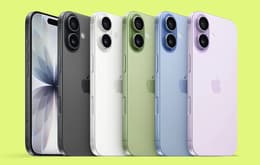
Compare models
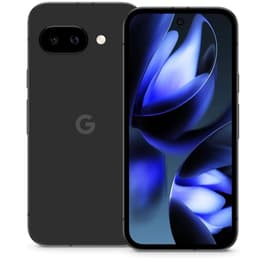
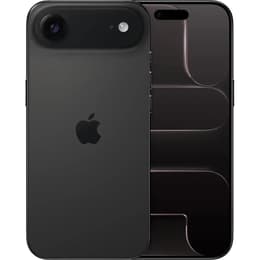
Google Pixel 9a • Unlocked vs iPhone Air • Unlocked
- 1-year warranty
- Free standard shipping
- Free 30-day returns
Differences at a glance
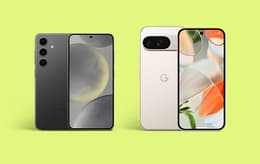
The Google Pixel 9a (2025) and the Apple iPhone Air (2025) represent two distinct design philosophies in the modern smartphone landscape. While the Google Pixel 9a focuses on durable everyday utility and extensive software commitments running on the Android platform, the iPhone Air prioritizes an ultra-slim profile and streamlined hardware running on iOS. These two devices cater to contrasting user preferences regarding physical build, ecosystem choice, and daily interaction.
Available Models
Color
Storage (GB)
Scores
Durability
When examining longevity and structural upkeep, both smartphones are engineered to remain relevant for years, though they approach software longevity and build resilience through different frameworks.
- Software support timelines: The Google Pixel 9a receives seven full years of operating system updates and security patches, matching the brand's highest longevity standards. The iPhone Air benefits from Apple's long-standing tradition of extended software support, ensuring both models stay current for a significant lifespan.
- Build and repair framework: The Google Pixel 9a features a robust polycarbonate and aluminum construction designed to absorb everyday wear, whereas the iPhone Air utilizes a titanium frame paired with reinforced glass panels. Both models feature official dust and water resistance ratings for structural protection.
- Practical lifespan expectations: Users can expect dependable multi-year performance from both choices, though individuals seeking a quality-assured refurbished option can find these models as sustainable alternatives that extend device lifecycles.
Release Year
2025
2025
OS
Android
iOS
Foldable
No
No
Performance
Underneath their exteriors, both devices handle modern workloads efficiently, though they manage multitasking and energy distribution through distinct hardware configurations.
- Everyday responsiveness and multitasking: Both smartphones handle demanding mobile applications, web browsing, and rapid switching between tasks smoothly thanks to capable current-generation processors paired with generous RAM allocations.
- Storage capacity options: The Google Pixel 9a provides balanced storage configurations suitable for typical media collections, while the iPhone Air extends into higher tiers for users with extensive local file storage needs.
- Battery behavior in daily use: The Google Pixel 9a incorporates a high-capacity battery designed to comfortably clear a full day of mixed use, whereas the iPhone Air trades physical battery volume for its slender profile, resulting in a lighter internal footprint that meets standard daily demands.
Screen quality
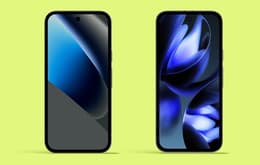
The viewing experiences on these devices differ primarily in physical dimensions and panel technology characteristics, impacting media consumption and daily viewing comfort.
- Display technology and clarity: Both models feature vibrant OLED panels that deliver deep contrast levels, rich color reproduction, and sharp text rendering for comfortable reading and media playback.
- Refresh rate and fluidity: Both displays incorporate adaptive refresh rate technology that scales dynamically to match on-screen activity, ensuring fluid scrolling through web pages and smooth animation transitions.
- Outdoor visibility: High peak brightness capabilities on both screens allow content to remain legible and clear even under direct sunlight or bright ambient lighting conditions.
Resolution
1080x2424
2736x1260
Screen type
P-OLED
Super Retina XDR
Audiovisual
Photography and media capture capabilities reflect each manufacturer's unique computational processing style and hardware layout.
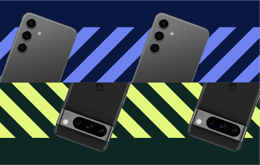
- Rear camera setups: The Google Pixel 9a utilizes a dual-lens rear system featuring a primary wide sensor and an ultra-wide lens, while the iPhone Air streamlines its physical layout with a single high-resolution primary lens housed within an elevated camera plateau.
- Low-light and everyday imaging: Both devices deliver balanced exposure, accurate color fidelity, and dependable detail capture in standard lighting, supported by advanced automated image processing for challenging lighting scenarios.
- Audio and media output: Built-in speaker systems on both models provide clear voice reproduction for calls and adequate volume for casual media viewing, complemented by sensitive multi-microphone arrays for clear audio recording.
Miscellaneous
Practical everyday elements such as connectivity standards, physical dimensions, and security authentication shape how each device fits into daily routines.
- Physical dimensions and handling: The Google Pixel 9a offers a traditional, compact footprint with a matte back finish, whereas the iPhone Air emphasizes an exceptionally thin profile and lightweight titanium build for minimal pocket presence.
- Authentication and security: The Google Pixel 9a features secure biometric authentication via an under-display fingerprint sensor and facial recognition, while the iPhone Air relies exclusively on advanced facial mapping technology.
- Connectivity and ecosystem integration: Both smartphones support widespread 5G networks, modern Wi-Fi standards, Bluetooth connectivity, and universal USB-C physical ports for charging and data transfers.
Weight
6 oz
185 oz
Screen size (inches)
6.3
6.5
Network
5G
5G
SIM card
Physical SIM + eSIM
eSIM
Carrier compatibility
Unlocked
Unlocked
What the community thinks
Public sentiment from community discussions indicates that users appreciate the Google Pixel 9a for its reliable battery endurance, long software support window, and comfortable ergonomics. At the same time, community feedback highlights the iPhone Air for its groundbreaking thin profile, lightweight handling, and premium tactile materials. Frequent discussions often weigh the practical durability and camera versatility of the Google device against the sleek form factor and streamlined media capabilities of the Apple model.
Users prioritizing extended software commitments, comfortable single-handed use, and robust daily battery margins will find the Google Pixel 9a well-suited to their needs. Conversely, users prioritizing an ultra-lightweight chassis, premium materials, and the iOS ecosystem may lean toward the iPhone Air. Choosing between them depends entirely on whether physical slenderness or everyday practical endurance takes priority in daily use. Consumers exploring these models can also consider sustainable, quality-assured refurbished options as an eco-friendly alternative when making their final purchasing decision.