
Compare models
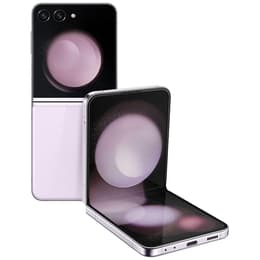
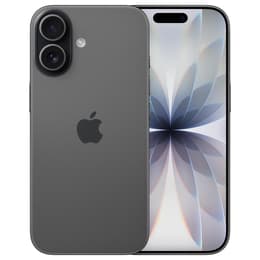
Galaxy Z Flip5 • Unlocked vs iPhone 17 • Unlocked
- 1-year warranty
- Free standard shipping
- Free 30-day returns
Differences at a glance
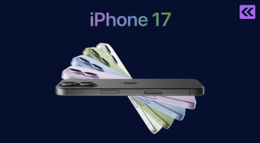
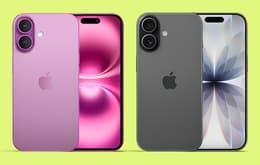
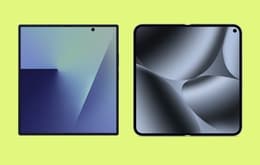
The Samsung Galaxy Z Flip5 (2023) and the iPhone 17 (2025) represent two distinct approaches to modern mobile technology, combining different operating systems with unique structural designs. While the Galaxy Z Flip5 introduces a flexible clamshell form factor running Android, the iPhone 17 employs a traditional slate design powered by iOS. These devices cater to users looking for contemporary mobile performance packaged in fundamentally different physical formats.
Available Models
Color
Storage (GB)
Scores
Durability
Both devices offer distinct timelines regarding their release years, software update paths, and expected physical durability over years of daily use.
- Release Timeline and Software Support: The iPhone 17 benefits from a more recent 2025 launch date, granting it an extended window of official operating system updates compared to the Galaxy Z Flip5, which debuted in 2023.
- Physical Durability and Maintenance: The iPhone 17 features a rigid slate body with advanced glass protection and robust water resistance, whereas the Galaxy Z Flip5 utilizes a folding mechanism that requires careful handling over extended periods of repeated bending. Choosing a quality-assured refurbished option provides an eco-friendly alternative that extends device life cycles while maintaining reliable performance standards.
Release Year
2023
2025
Last OS Compatibility
Yes
Yes
OS
Android
iOS
Foldable
Yes
No
Performance
Everyday operation, multitasking capability, and battery responsiveness differ across these two hardware platforms and operating systems.
- Processing and Multitasking: Both models handle demanding applications, heavy multitasking, and graphic-intensive games smoothly thanks to current-generation internal processors and ample system memory.
- Storage and Power Management: Configurations typically start at generous baseline storage capacities, while battery behavior varies; standard slate designs like the iPhone 17 generally sustain intensive all-day usage efficiently, whereas compact foldable designs may require more frequent recharging under heavy workloads.
Screen quality
Visual output and screen design diverge significantly between a flexible dual-display configuration and a traditional high-refresh-rate panel.
- Display Technology and Clarity: The iPhone 17 utilizes an advanced OLED panel with high pixel density and fluid visual transitions, delivering sharp text and vivid media reproduction.
- Form Factor and Outdoor Usability: The Galaxy Z Flip5 provides a unique dual-screen experience with an external cover display for quick interactions and a folding interior screen, while both devices maintain high peak brightness levels for clear outdoor visibility under direct sunlight.
Resolution
1080 x 2640
2622x1206
Screen type
Foldable Dynamic AMOLED 2X
Super Retina XDR
Audiovisual
Optics, video capture tools, and integrated audio systems shape the overall media consumption and creation experience.
- Camera Capabilities: Both smartphones feature capable dual rear camera systems that handle everyday photography and low-light environments effectively, supported by high-resolution front-facing sensors for video calls.
- Media and Audio Output: Stereo speaker setups on both devices deliver balanced sound output for music playback and video streaming, though physical design differences alter how audio projects during media viewing.
Main camera
12 megapixels
48 megapixels
Front camera
10 megapixels
18 megapixels
Miscellaneous
Connectivity standards, physical dimensions, and daily handling characteristics define the practical ergonomics of each device.
- Connectivity and Ports: Both models support rapid wireless networks, modern Bluetooth standards, and universal port connections for data transfer and charging.
- Dimensions and Handling: The iPhone 17 offers a conventional, slim profile that fits comfortably in standard pockets, while the Galaxy Z Flip5 folds in half to occupy significantly less pocket space, though it results in a thicker profile when closed.
Weight
7 oz
185 oz
Screen size (inches)
6.7
6.3
Network
5G
5G
SIM card
Physical SIM + eSIM
eSIM
Carrier compatibility
Unlocked
Unlocked
Connector
USB-C
USB-C
What the community thinks
User discussions and community feedback highlight distinct preferences for each device based on physical format and software ecosystem. Owners of the Galaxy Z Flip5 frequently praise its compact folding footprint and versatile cover screen for managing notifications without opening the phone. At the same time, users often note that the folding crease requires getting used to and that battery capacity is constrained by the slim folding chassis. Conversely, iPhone 17 users frequently commend its reliable all-day battery performance, fluid display smoothness, and robust build quality, though some note the traditional slate shape lacks the pocket-folding convenience of a clamshell device.
Users prioritizing pocket-friendly dimensions and a unique folding format may prefer the Galaxy Z Flip5, while users prioritizing extended software longevity, traditional ergonomics, and simplified iOS operation will lean toward the iPhone 17. Exploring a sustainable choice through a quality-assured refurbished option allows consumers to access either device model reliably. Evaluating these core operational differences ensures that your final choice aligns closely with your personal daily usage habits.