
Compare models
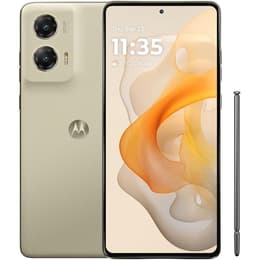
Galaxy Z Fold4 • Unlocked vs Motorola Moto G Stylus 5G (2024) • Unlocked
- 1-year warranty
- Free standard shipping
- Free 30-day returns
Differences at a glance
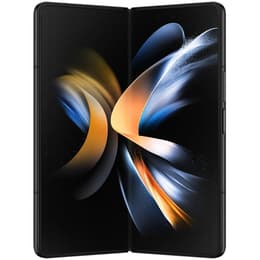
The Samsung Galaxy Z Fold4 (2022) and the Motorola Moto G Stylus 5G (2024) represent two distinct approaches to modern smartphone design, targeting users with very different daily requirements. While the Galaxy Z Fold4 is a high-end foldable device featuring a dual-screen configuration, the Motorola Moto G Stylus 5G is a traditional slate smartphone equipped with an integrated stylus. Both devices run the Android operating system and offer distinct physical interactions, though they cater to completely separate user priorities.
Available Models
Color
Storage (GB)
Scores
Durability
These devices differ significantly in their launch timelines and physical durability frameworks, influencing how long they remain viable daily drivers.
- Release timeline and support: The Galaxy Z Fold4 debuted in 2022, while the Motorola Moto G Stylus 5G launched in 2024, meaning the Motorola model receives software updates further into the future.
- Repairability and build: Foldable hardware involves complex hinge mechanisms that require specialized maintenance, whereas traditional slate designs offer straightforward physical upkeep and repair routines.
- Expected lifespan: Both models maintain strong daily utility, though users choosing a quality-assured refurbished option can benefit from extended hardware lifecycles with professional testing verification.
Release Year
2022
2024
OS
Android
Android
Foldable
Yes
No
Performance
Underneath their exteriors, these smartphones handle everyday applications, multitasking, and battery endurance through very different hardware configurations.
- Multitasking and memory: The Galaxy Z Fold4 includes generous RAM capacity designed to run multiple split-screen apps smoothly, while the Motorola Moto G Stylus 5G handles standard daily multitasking and app switching reliably.
- Storage flexibility: The Galaxy Z Fold4 relies on large fixed internal storage tiers, whereas the Motorola model supports expandable storage via a dedicated memory card slot.
- Battery behavior: The Motorola device features a larger 5000 mAh battery capacity that easily sustains full-day use, while the more complex dual-display setup of the foldable device leads to more frequent charging during heavy multi-screen workflows.
Screen quality
Display architecture represents the single most striking distinction between these two mobile devices, shaping how content is viewed and interacted with.
- Display technology: The Galaxy Z Fold4 utilizes a foldable internal OLED panel that expands into a tablet-sized workspace alongside an external cover screen, while the Motorola device features a single, vibrant 6.7-inch pOLED display.
- Refresh rate and smoothness: Both devices deliver smooth visual scrolling and fluid motion handling through high refresh rate technology during daily navigation.
- Viewing experience: The foldable screen provides an expansive canvas well-suited for document viewing and media consumption, whereas the traditional widescreen format of the Motorola model offers a conventional, comfortable single-hand viewing experience.
Resolution
1812 x 2176
1080 x 2400
Screen type
Foldable Dynamic AMOLED 2X
P-OLED
Audiovisual
Optics and media playback capabilities cater to different multimedia expectations, from casual snapshot capture to expansive content review.
- Camera systems: The Galaxy Z Fold4 incorporates a versatile triple-lens rear camera setup including a dedicated telephoto lens for optical zoom, while the Motorola model utilizes a dual rear camera system anchored by a high-resolution main sensor.
- Audio output: Both devices feature stereo speaker configurations that deliver clear sound for hands-free calling, video playback, and casual gaming sessions.
- Media consumption: The larger unfolding display on the Samsung model provides an immersive environment for reviewing photos and watching videos, whereas the Motorola device handles everyday multimedia tasks dependably in a standard form factor.
Miscellaneous
Practical physical characteristics, connectivity standards, and daily utility features define how easily each device integrates into specific routines.
- Input methods: The Motorola model integrates a physical stylus directly into its chassis for precise note-taking and drawing, while the foldable Samsung device supports specialized stylus input on its main screen.
- Physical dimensions: The Galaxy Z Fold4 has a heavier weight and folded thickness that requires deliberate pocket space, whereas the Motorola device offers a lighter, slim profile framed by a textured, eco-leather backing.
- Connectivity: Both models support modern 5G networks, Wi-Fi standards, and Bluetooth connectivity for dependable accessories pairing and fast data speeds.
Weight
7 oz
1 oz
Screen size (inches)
7.6
6.7
Network
5G
5G
SIM card
Physical SIM + eSIM
Physical SIM + eSIM
Carrier compatibility
Unlocked
Unlocked
What the community thinks
User discussions across community forums highlight distinct preferences for each device based on practical everyday use cases. Owners of the Galaxy Z Fold4 frequently praise its expansive multitasking workspace and innovative folding form factor, though some note the heavier weight and battery drain associated with running two screens. Conversely, users of the Motorola Moto G Stylus 5G often commend its reliable battery endurance, comfortable daily handling, and the convenience of the built-in writing tool, while acknowledging that its processing capabilities are geared toward standard tasks rather than intensive computing.
Users prioritizing productivity across multiple open windows and a tablet-sized screen will find the Galaxy Z Fold4 well-suited to their workflow. Meanwhile, users prioritizing note-taking precision, extended battery longevity, and a traditional lightweight design may lean toward the Motorola Moto G Stylus 5G. For buyers exploring sustainable alternatives, choosing a quality-assured refurbished option provides an eco-friendly path to acquiring either device without compromising on performance expectations.