Compare models
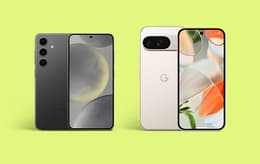
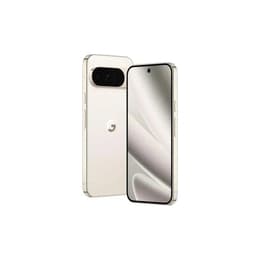
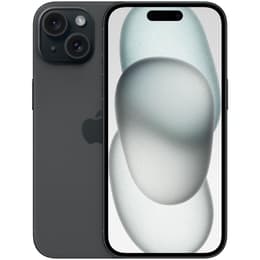
Google Pixel 10 Pro XL • Unlocked vs iPhone 15 • Locked AT&T
- 1-year warranty
- Free standard shipping
- Free 30-day returns
Differences at a glance
The Google Pixel 10 Pro XL and the iPhone 15 represent high-end smartphone offerings from two major ecosystems, each bringing distinct hardware designs and software experiences to the market. Released as part of their respective generations, these devices cater to users seeking modern smartphone capabilities but differ fundamentally in their platform approach. The Google Pixel 10 Pro XL operates on Google's tailored Android platform, emphasizing deep software integration and versatile features, while the iPhone 15 runs on Apple's iOS ecosystem, known for streamlined device syncing and long-term interface consistency. A primary differentiator between the two lies in their physical size and display philosophy, with the Pixel offering a larger canvas for multitasking, whereas the iPhone 15 focuses on a more compact, one-handed handling experience.
Available Models
Color
Storage (GB)
Scores
Durability
Both smartphones provide robust support lifecycles, though their update models and repair frameworks cater to different long-term expectations for users.
- Software Support: Both manufacturers pledge extended operating system updates and security patches spanning multiple years, ensuring that each device remains current with security standards and feature upgrades well into the future.
- Repairability and Build Longevity: The structural designs incorporate durable glass and metal frames with official water and dust resistance ratings, while component replacement options allow professional technicians to service screens and batteries effectively over time.
- Expected Practical Lifespan: Thanks to powerful internal processors and generous memory provisions, both models retain strong daily usability across several years, making a quality-assured refurbished option an eco-friendly alternative for longevity-focused consumers.
Release Year
2025
2023
OS
Android
iOS
Foldable
No
No
Performance
Underneath the exterior, both devices manage demanding workloads efficiently, though they utilize distinct hardware architectures and memory configurations.
- Multitasking and App Responsiveness: Advanced internal processors and ample random access memory ensure that resource-heavy applications, gaming, and rapid switching between multiple open programs occur smoothly without stuttering.
- Storage Configurations: Both devices offer tiered internal storage capacities to accommodate varying media libraries, document collections, and application sizes, though neither model features expandable storage slots.
- Battery Behavior: Battery endurance varies based on physical footprint, with the larger chassis of the Pixel accommodating a higher capacity battery for extended daily use, while the iPhone 15 balances a smaller battery with efficient power management for standard daily routines.
Screen quality
Visual output and screen technology differ significantly in scale, panel characteristics, and interactive fluidity between the two handsets.
- Display Technology and Clarity: Both models utilize advanced organic light-emitting diode panels that deliver deep contrast levels, sharp text reproduction, and vibrant color accuracy for daily viewing and media consumption.
- Refresh Rate and Smoothness: The Google Pixel 10 Pro XL features a high refresh rate panel that enables fluid scrolling and responsive touch interactions, whereas the iPhone 15 utilizes a standard refresh rate optimized for everyday visual tasks.
- Outdoor Visibility: High peak brightness capabilities on both screens ensure that text and images remain legible under direct sunlight or bright outdoor lighting conditions.
Resolution
1344 x 2992
1179 x 2556
Screen type
LTPO OLED
Super Retina XDR OLED
Audiovisual
Imaging hardware and audio reproduction cater to creators and media consumers through different optical configurations and processing software.
- Camera System Versatility: The Google Pixel 10 Pro XL features a multi-lens rear array including a dedicated telephoto zoom lens for distant subjects, while the iPhone 15 employs a dual-camera system emphasizing sharp main-sensor capture and automated image enhancement.
- Video Recording and Audio: Both handsets capture stable, high-resolution video footage accompanied by clear multi-microphone audio recording for calls and media creation, paired with balanced stereo speakers for playback.
- Low-Light Performance: Computational photography algorithms on both devices brighten dark environments and preserve shadow detail without introducing excessive digital noise.
Miscellaneous
Physical dimensions, connectivity standards, and daily usability features define how each device integrates into a user's routine.
- Connectivity and Ports: Both models support widespread 5G cellular networks, modern Wi-Fi protocols, and Bluetooth standards, while utilizing a universal reversible port type for charging and wired data transfers.
- Biometric Security: The Pixel offers a combination of facial recognition and an in-display fingerprint sensor for authentication, whereas the iPhone 15 relies exclusively on advanced facial recognition technology.
- Handling and Weight: The larger dimensions and heavier weight of the Pixel 10 Pro XL suit two-handed usage and expansive viewing, while the lighter, more compact frame of the iPhone 15 supports effortless single-handed navigation.
Weight
8 oz
171 oz
Screen size (inches)
6.8
6.1
Network
5G
5G
SIM card
eSIM
eSIM
Carrier compatibility
Unlocked
AT&T
Connector
USB-C
USB-C (USB 2)
What the community thinks
User community discussions indicate that people appreciate the Google Pixel 10 Pro XL for its expansive screen real estate, versatile telephoto camera, and flexible software customization options. At the same time, users frequently note that its large physical footprint can feel cumbersome for single-handed tasks. Conversely, community feedback highlights the iPhone 15 for its comfortable ergonomics, reliable daily performance, and seamless integration within Apple's hardware ecosystem, though some users express a desire for higher screen refresh rates at this tier. Users prioritizing multitasking space, advanced zoom photography, and an open software environment will find the Google Pixel 10 Pro XL well-suited to their needs, while users prioritizing a compact form factor, balanced everyday usability, and streamlined software sync may lean toward the iPhone 15. Evaluating these core differences helps determine which device aligns best with individual daily habits. For shoppers seeking a sustainable choice, exploring a quality-assured refurbished option provides a practical way to acquire either device while minimizing environmental impact.