Compare models
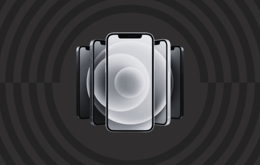
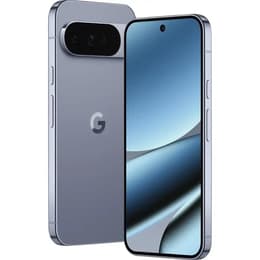
Google Pixel 10 Pro XL • Unlocked vs iPhone 17 • Unlocked
- 1-year warranty
- Free standard shipping
- Free 30-day returns
Differences at a glance
The Google Pixel 10 Pro XL (2025) and the Apple iPhone 17 (2025) represent two distinct approaches to high-end smartphone design, operating systems, and user ecosystems. While the Pixel 10 Pro XL emphasizes an expansive display and deep software intelligence running on Android, the iPhone 17 offers a streamlined screen size and advanced performance efficiency powered by iOS. These two devices provide distinct hardware sizes and software environments tailored to varying user preferences.
Available Models
Color
Storage
Scores
Durability
Both devices launched in late 2025 and are built to support multi-year software life cycles, though they operate on different update ecosystems.
- Software Support: Google provides extended operating system and security updates for approximately seven years, while Apple typically supports devices for a similar multi-year timeframe.
- Repairability: Both manufacturers design their hardware with modular components, though repair access varies depending on regional service networks and availability.
- Expected Lifespan: Both models feature robust build materials that ensure reliable day-to-day operation over several years of standard use.
Release Year
2025
2025
OS
Android
iOS
Foldable
No
No
Performance
Under everyday conditions, both smartphones handle intensive multitasking, demanding applications, and heavy gaming smoothly without noticeable lag.
- Memory Capacity: The Pixel 10 Pro XL includes generous multitasking memory to keep numerous apps active simultaneously, while the iPhone 17 relies on highly optimized system memory management.
- Storage Configurations: Both devices offer ample baseline storage tiers to accommodate large media libraries, applications, and offline files.
- Battery Behavior: The Pixel 10 Pro XL features a larger battery capacity suited for extended media consumption, whereas the iPhone 17 balances battery life through efficient power processing.
Screen quality
Visual delivery differs significantly between the two models in terms of physical dimensions, panel technology, and viewing immersion.
- Display Technology: Both models utilize vibrant OLED panels with high refresh rates that ensure fluid scrolling and responsive touch interactions.
- Size and Canvas: The Pixel 10 Pro XL provides a larger 6.8-inch viewing area ideal for productivity, whereas the iPhone 17 offers a more compact 6.3-inch screen for easier one-handed handling.
- Outdoor Visibility: Both displays incorporate high peak brightness levels to maintain clarity and legibility under direct sunlight.
Resolution
1344 x 2992
2622x1206
Screen type
LTPO OLED
Super Retina XDR
Audiovisual
Photography and media capture capabilities on these devices cater to users seeking reliable everyday documentation and advanced video features.
- Camera Systems: The Pixel 10 Pro XL employs a versatile triple-lens rear arrangement featuring dedicated zoom capabilities, while the iPhone 17 relies on a dual-lens setup with high-resolution sensors.
- Low-Light Performance: Both phones utilize advanced computational photography techniques to capture clear, detailed images in dim lighting conditions.
- Video and Audio: The iPhone 17 delivers refined stabilization and microphone clarity for video recording, matching the Pixel's comprehensive audio capture suite.
Main camera
Pro triple rear camera system
48 megapixels
Front camera
42 MP Dual PD selfie camera with autofocus
18 megapixels
Miscellaneous
Practical daily usability is shaped by physical dimensions, security features, and connectivity standards across both models.
- Security and Biometrics: The Pixel 10 Pro XL uses an under-display fingerprint reader alongside facial recognition, whereas the iPhone 17 exclusively utilizes facial mapping authentication.
- Physical Dimensions: The Pixel 10 Pro XL is larger and heavier due to its expansive screen, while the iPhone 17 offers a lighter, more pocket-friendly form factor.
- Connectivity: Both models support current 5G cellular networks, rapid Wi-Fi standards, and modern Bluetooth connectivity for seamless peripheral pairing.
Weight
1 oz
185 oz
Screen size (inches)
6.8
6.3
Network
5G
5G
SIM card
eSIM
eSIM
Carrier compatibility
Unlocked
Unlocked
Connector
USB-C
USB-C
What the community thinks
Choosing between these two smartphones depends heavily on preferred operating systems and physical proportions. Users who prioritize a large canvas for multitasking and deep software customization often favor the Pixel 10 Pro XL. Conversely, users seeking a compact, highly optimized device within the iOS ecosystem frequently lean toward the iPhone 17. For buyers exploring sustainable options, choosing a quality-assured refurbished option provides an eco-friendly alternative that reduces electronic waste without compromising on core performance. Ultimately, both devices deliver capable flagship experiences tailored to distinct daily workflows.