Compare models
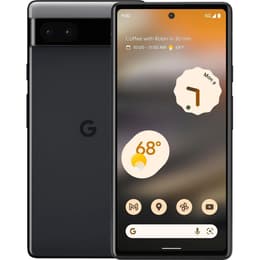
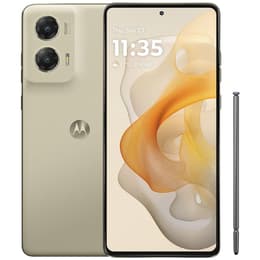
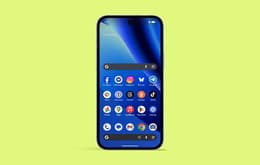
Google Pixel 6a • Unlocked vs Motorola Moto G Stylus 5G (2024) • Unlocked
- 1-year warranty
- Free standard shipping
- Free 30-day returns
Differences at a glance
The Google Pixel 6a (2022) and the Motorola Moto G Stylus 5G (2024) are mid-range smartphones built to handle everyday communication, media, and productivity tasks. While the Pixel 6a focuses on a compact build and streamlined software integration, the Motorola Moto G Stylus 5G emphasizes a larger canvas, expanded storage configurations, and integrated note-taking tools.
Both run on the Android operating system, though they deliver distinct interface experiences and hardware capabilities tailored to different user workflows.
Available Models
Color
Storage (GB)
Scores
Durability
When examining hardware longevity and ongoing maintenance, these two devices approach software support and physical wear from different angles.
- Release Timeline and OS Support: The Pixel 6a launched in 2022 and relies on Google's established software update schedule, while the Motorola Moto G Stylus 5G debuted in 2024 with a newer launch baseline.
- Repairability and Build Maintenance: Both models utilize durable frame designs, though replacement components and repair guides are widely accessible through independent networks and quality-assured refurbished options.
- Expected Lifespan: Practical longevity depends heavily on battery health retention over daily charge cycles, with both units capable of supporting multi-year daily use under normal conditions.
Release Year
2022
2024
Last OS Compatibility
Yes
Yes
OS
Android
Android
Foldable
No
No
Performance
System responsiveness and daily multitasking capabilities vary due to differences in internal hardware and memory allocation between the two devices.
- Multitasking and App Loading: Both devices handle standard web browsing, social media feeds, and messaging applications smoothly, maintaining stable background processes during everyday use.
- Storage and Memory: The Motorola model features larger baseline internal storage and higher RAM capacity options, whereas the Google model provides a fixed storage configuration paired with high-speed internal data transfer technology.
- Battery Behavior: The Motorola features a larger capacity power cell designed to easily last through extended heavy use, while the Pixel relies on a smaller capacity cell that typically requires a daily recharge for intensive tasks.
Screen quality
Visual output and display responsiveness differ significantly in physical dimensions, refresh rates, and outdoor legibility.
- Display Technology: The Pixel 6a utilizes a compact OLED panel with a standard refresh rate, while the Motorola employs a larger organic light-emitting diode screen featuring a faster 120Hz refresh rate for smoother scrolling.
- Size and Viewing Area: The Google device offers a more compact form factor suitable for single-handed navigation, whereas the Motorola provides a spacious screen well-suited for document editing and media viewing.
- Outdoor Brightness: Both screens maintain clear visibility under direct daylight, though the Motorola panel reaches higher peak brightness levels to combat intense ambient light.
Resolution
1080 x 2400
1080 x 2400
Screen type
OLED
P-OLED
Audiovisual
Imaging hardware and audio output cater to different content creation preferences and media consumption habits.
- Camera System Capabilities: The Pixel relies on software-tuned dual rear sensors focusing on balanced everyday photography, while the Motorola features a high-megapixel main sensor equipped with optical image stabilization alongside a dedicated ultra-wide lens.
- Video and Low-Light Recording: Both phones capture stable high-definition footage, though computational processing helps both models preserve detail in challenging lighting conditions.
- Media and Audio Output: The Motorola includes stereo speakers and a traditional 3.5mm headphone jack, whereas the Pixel relies exclusively on USB-C audio routing and stereo speakers for sound playback.
Main camera
12.2 megapixels
50 megapixels
Front camera
8 megapixels
32 megapixels
Miscellaneous
Physical dimensions, connectivity standards, and integrated physical tools create distinct handling experiences.
- Physical Handling and Build: The Pixel 6a features a rigid aluminum and glass construction with a compact footprint, while the Motorola incorporates a vegan leather back texture and houses an integrated physical stylus within the chassis.
- Connectivity and Ports: Both models support 5G cellular networks and modern wireless standards, though the Motorola adds expandable storage via a dedicated memory card slot.
- Security Sensors: Each device integrates a responsive biometric fingerprint scanner beneath the display screen for quick unlocking.
Weight
6 oz
7 oz
Screen size (inches)
6.1
6.7
Network
5G
5G
SIM card
Physical SIM + eSIM
Physical SIM
Carrier compatibility
Unlocked
Unlocked
What the community thinks
User community discussions frequently praise the Google Pixel 6a for its clean software interface and reliable pocket-friendly size, though some users note that the standard refresh rate feels dated compared to modern alternatives. Conversely, owners of the Motorola Moto G Stylus 5G highlight the convenience of the built-in writing tool and smooth screen motion, while occasional criticisms mention its larger physical footprint in smaller pockets. Users prioritizing a compact device with streamlined software may prefer the Google Pixel 6a, while users prioritizing an expansive canvas, high refresh rate, and physical note-taking capabilities will lean toward the Motorola Moto G Stylus 5G. Choosing a quality-assured refurbished option provides an eco-friendly alternative for acquiring either model while supporting sustainable technology habits.