Samsung
Compare models
Differences at a glance
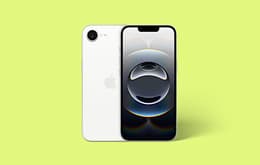
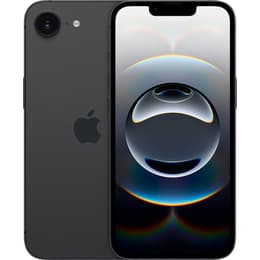
The Google Pixel 8, released in October 2023, and the iPhone 16E, introduced in February 2025, represent distinct approaches to smartphone design and functionality. While both devices offer robust performance and modern features, they cater to different user preferences through their operating systems and hardware choices. The Pixel 8 runs on Android, emphasizing AI-driven features and a versatile camera system, while the iPhone 16E operates on iOS, focusing on a streamlined user experience and integration within the Apple ecosystem. These differences extend to their display technologies, camera capabilities, and overall design philosophies.
Color
Storage
When considering the long-term usability of these devices, their release timelines and software support are key factors.
Release Year
OS
Foldable
The performance of a smartphone is central to the user experience, influencing everything from app responsiveness to multitasking efficiency.
The display is a primary interface for interaction, and both devices offer vibrant viewing experiences with distinct characteristics.
Resolution
Screen type
Both smartphones offer capable camera systems, though they differ in their hardware configurations and photographic philosophies.
Main camera
Front camera
Beyond the core specifications, several practical elements contribute to the overall user experience and device utility.
Weight
Screen size (inches)
Network
SIM card
Carrier compatibility
Connector
The Google Pixel 8 and iPhone 16E offer distinct advantages, making each device suitable for different user priorities. Users often praise the Pixel 8 for its exceptional camera capabilities, particularly its advanced computational photography features and AI integrations that enhance image quality and user experience. Its long-term software support commitment is also a significant draw for those who prefer to keep their devices for an extended period. Some users, however, have noted that the Pixel 8's battery life, while improved, might not always meet the demands of very heavy usage throughout a full day.
The iPhone 16E is frequently lauded for its robust performance, thanks to the A18 chip, and its optimized iOS ecosystem, which provides a smooth and intuitive user experience. Its battery life is often highlighted as a strong point for a device of its size. Criticisms sometimes point to its 60Hz display refresh rate, which is lower than some competitors, and its single rear camera setup, which offers less versatility compared to multi-lens systems.
Users prioritizing advanced photographic features, a clean Android experience with extensive AI capabilities, and a long software update commitment may find the Google Pixel 8 well-suited to their needs. Conversely, individuals who value a streamlined operating system, strong overall performance, a compact design, and extended battery life within the Apple ecosystem may lean toward the iPhone 16E. Both devices represent quality-assured options, and considering a refurbished model can be an eco-friendly alternative for acquiring either of these capable smartphones.