Compare models

Google Pixel 8 • Unlocked vs iPhone 17 • Unlocked

  • 1-year warranty
  • Free standard shipping
  • Free 30-day returns
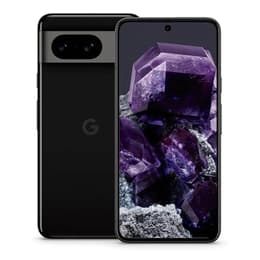
Google Pixel 8 • Unlocked
Starting at

Refurbished price:$258.00

Versus $899.99 new

See options
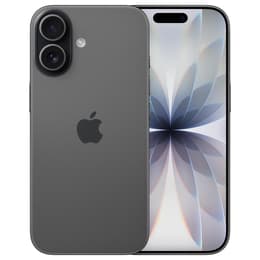
iPhone 17 • Unlocked
Starting at

Refurbished price:$789.00

Versus $899.00 new

See options

Differences at a glance

The Google Pixel 8 (2023) and the iPhone 17 (2025) represent different generations of smartphone development from two major ecosystem leaders. While the Google Pixel 8 runs on the Android operating system with deep artificial intelligence integration, the iPhone 17 operates on Apple's iOS platform with an emphasis on seamless hardware and software synergy. Choosing between them depends on how you balance software preferences, release timelines, and everyday user experience.

Available Models

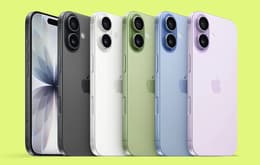
Color

Storage (GB)

Scores

Durability

When examining hardware longevity and software support, both devices approach long-term usability through different update commitments and design standards.

  • Software support lifecycle: The Google Pixel 8 benefits from an extended software commitment providing major operating system updates through 2030, while the iPhone 17 follows Apple's traditional multi-year update path typically spanning several years from release.
  • Repairability and hardware: Google provides readily available spare parts and repair documentation to extend physical utility, whereas Apple relies on certified service networks and durable enclosure materials like Ceramic Shield glass to minimize wear from daily use.
  • Expected practical lifespan: Both smartphones maintain robust build qualities and sufficient internal capability to remain functional tools for years of daily ownership, though their update windows target different end points.

Release Year

2023

2025

Last OS Compatibility

Yes

Yes

OS

Android

iOS

Foldable

No

No

Performance

Underneath the exterior, both devices manage daily tasks, heavy multitasking, and power efficiency using current-generation system architecture paired with optimized memory configurations.

  • App execution and multitasking: Both models handle demanding applications, rapid switching between open programs, and high-end mobile gaming smoothly without noticeable stutter or lag.
  • Battery behavior: Energy management varies under heavy load, with both units offering enough capacity to reach the end of a typical day, though usage habits involving navigation or video streaming influence final endurance.
  • System responsiveness: Integrated hardware acceleration and generous memory allocation ensure instant response times for everyday tools, web browsing, and background processes.

Screen quality

Display characteristics differ in size, peak brightness capabilities, and refresh rate implementation to support comfortable media consumption and outdoor visibility.

  • Display technology: The Google Pixel 8 uses a vibrant OLED panel with smooth scrolling support, while the iPhone 17 features an advanced Super Retina XDR OLED display equipped with high adaptive refresh rate technology for fluid motion.
  • Outdoor visibility: Both screens reach high peak brightness levels, allowing users to read notifications and view photos clearly under direct sunlight.
  • Viewing experience: Generous contrast ratios and accurate color reproduction make both displays well-suited for watching videos, viewing high-resolution images, and reading text documents.

Resolution

1080 x 2400

2622x1206

Screen type

OLED

Super Retina XDR

Audiovisual

Photography and audio capabilities cater to everyday content capture and media playback through distinct multi-lens configurations and computational software.

  • Camera systems: The Google Pixel 8 relies on computational photography algorithms for detailed low-light shots and editing tools, whereas the iPhone 17 utilizes a high-resolution dual lens array to capture crisp photos and stable video in various lighting conditions.
  • Video recording: Both phones record steady, high-definition footage with clear audio capture from built-in microphone arrays, making them reliable for recording personal memories or video calls.
  • Media audio output: Built-in stereo speakers deliver balanced sound output for casual music listening, video playback, and speakerphone use without requiring external accessories.

Main camera

50 megapixels

48 megapixels

Front camera

10.5 megapixels

18 megapixels

Miscellaneous

Practical everyday features, connectivity standards, and physical dimensions shape how comfortably each device fits into daily routines and travel requirements.

  • Connectivity and ports: Both models support fast 5G cellular networks, modern Wi-Fi standards, and universal USB-C connectivity for charging and data transfer.
  • Physical dimensions: The Google Pixel 8 offers a compact, lightweight form factor that rests easily in one hand, while the iPhone 17 provides a slightly larger screen real estate within a slim aluminum and glass chassis.
  • Security sensors: Both devices incorporate biometric authentication methods, including secure facial recognition and integrated fingerprint scanning, for quick unlocking and authorized payments.

Weight

7 oz

185 oz

Screen size (inches)

6.1

6.3

Network

5G

5G

SIM card

Physical SIM + eSIM

eSIM

Carrier compatibility

Unlocked

Unlocked

Connector

USB-C

USB-C

What the community thinks

User feedback from online communities highlights distinct preferences for each device. Google Pixel 8 owners frequently praise the clean interface, helpful automated assistant features, and the extensive software update commitment. On the other hand, iPhone 17 users often highlight the fluid display performance, robust build quality, and smooth integration within the broader Apple ecosystem. Common discussions for both models occasionally note that heavy mobile gaming or extended video recording can lead to noticeable warmth and faster battery depletion.

Users prioritizing an open software environment with extensive long-term patch commitments may prefer the Google Pixel 8, while users invested in Apple's hardware ecosystem who value a high refresh rate display will lean toward the iPhone 17. For consumers exploring sustainable technology habits, choosing a quality-assured refurbished option provides a practical way to acquire either model while reducing electronic waste. Ultimately, your choice depends on which operating system layout and physical dimensions align best with your day-to-day workflow.
Our recent comparisons