Samsung
Compare models
Differences at a glance
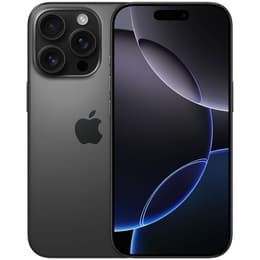
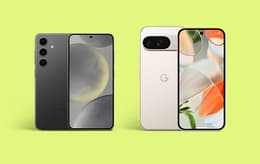
The Google Pixel 9, released in August 2024, and the iPhone 16 Pro, launched in September 2024, represent the latest flagship smartphones from their respective manufacturers. While both devices offer advanced mobile experiences, they cater to different user preferences through their distinct operating systems and core feature sets. The Pixel 9 operates on Android, emphasizing Google's AI integration and computational photography, whereas the iPhone 16 Pro runs on iOS, focusing on a cohesive ecosystem, robust performance, and advanced video capabilities.
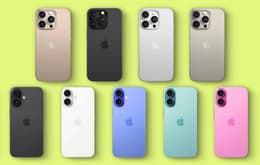
Color
Storage
When considering the long-term usability of these devices, both the Google Pixel 9 and the iPhone 16 Pro offer substantial software support and durable designs.
Release Year
Last OS Compatibility
Foldable
Both the Google Pixel 9 and the iPhone 16 Pro deliver strong performance, capable of handling demanding applications and multitasking with ease, though they achieve this through different hardware configurations.
The visual experience on both the Google Pixel 9 and the iPhone 16 Pro is characterized by vibrant colors and sharp details, though there are differences in brightness and display characteristics.
Resolution
Screen type
Both the Google Pixel 9 and the iPhone 16 Pro offer advanced camera systems, excelling in different aspects of photography and videography to suit varied creative needs.
Main camera
Front camera
Beyond their core functionalities, both the Google Pixel 9 and the iPhone 16 Pro incorporate various practical features that enhance daily usability and connectivity.
Weight
Screen size (inches)
Network
SIM card
Carrier compatibility
Connector
The Google Pixel 9 and the iPhone 16 Pro each offer a compelling smartphone experience, appealing to different user priorities. Users often praise the Pixel 9 for its deep integration of Google's artificial intelligence features, its computational photography prowess, and its commitment to extended software support. Some users appreciate its vibrant display and the practical benefits of its ultrasonic fingerprint sensor. Conversely, the iPhone 16 Pro is frequently lauded for its powerful performance, its advanced video recording capabilities, and the seamless integration within the Apple ecosystem. Its refined design with slimmer bezels and dedicated camera controls are also common points of positive feedback.
For those who prioritize a highly intelligent software experience with extensive on-device AI capabilities and a long-term commitment to software updates, the Google Pixel 9 may be a more suitable choice. Its camera system excels in computational photography, making it a strong contender for users who value point-and-shoot simplicity with impressive results. On the other hand, users who seek robust raw performance for demanding applications and gaming, coupled with advanced video creation tools and a tightly integrated ecosystem, will likely find the iPhone 16 Pro to be a better fit. Its physical controls and professional-grade media features cater to a more creatively inclined user base. Both devices represent quality-assured options, and considering a refurbished model can be an eco-friendly alternative for acquiring either of these advanced smartphones.