
Compare models

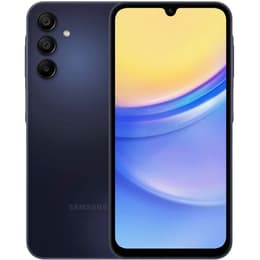
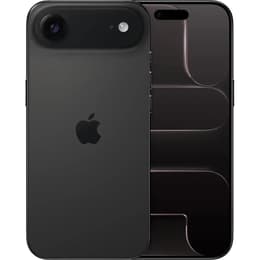
Galaxy A15 5G • Unlocked vs iPhone Air • Unlocked

  • 1-year warranty
  • Free standard shipping
  • Free 30-day returns
Galaxy A15 5G • Unlocked
Starting at

Refurbished price:$115.81

Versus $207.99 new

See options
iPhone Air • Unlocked
Starting at

Refurbished price:$775.00

Versus $999.00 new

See options

Differences at a glance

The Samsung Galaxy A15 5G (2023) and the Apple iPhone Air (2025) are unlocked smartphones representing distinctly different device classes and engineering philosophies. While the Galaxy A15 5G focuses on delivering everyday essentials within the Android ecosystem, the iPhone Air introduces a lightweight, ultra-slim design powered by iOS. These two models cater to very different user expectations regarding portability, interface, and hardware sophistication.

Available Models

Color

Storage (GB)

Scores

Durability

Both devices offer long-term usability backed by structured software support timelines, though they cater to different expectations for hardware longevity.

  • Software Support: The Galaxy A15 5G receives multiple generations of Android upgrades and several years of security patches, while the iPhone Air benefits from Apple's extended iOS update cycle.
  • Build and Repairability: The Galaxy A15 5G utilizes a sturdy plastic build that handles everyday wear predictably, whereas the iPhone Air employs a titanium frame and reinforced glass designed for structural rigidity at a minimal thickness.
  • Expected Lifespan: Both smartphones maintain steady operational capability for multi-year use, making quality-assured refurbished options from Back Market a sustainable choice for eco-conscious buyers looking to extend device lifecycles.

Release Year

2023

2025

Last OS Compatibility

Yes

Yes

OS

Android

iOS

Foldable

No

No

Performance

System responsiveness and multitasking capabilities vary significantly due to differences in internal hardware configuration and software optimization.

  • Multitasking and Apps: The iPhone Air handles intensive applications, demanding games, and complex background tasks smoothly, whereas the Galaxy A15 5G is well-suited for standard daily tasks like web browsing, social media, and video streaming.
  • Storage and Memory: The Galaxy A15 5G provides expandable storage via a microSD card slot alongside standard internal capacities, while the iPhone Air relies on fixed, high-capacity internal storage configurations paired with larger system memory.
  • Battery Behavior: The Galaxy A15 5G features a large battery capacity that comfortably powers a full day of mixed use, while the iPhone Air balances its thinner profile with power-efficient processing to maintain standard daily endurance.

Screen quality

Display performance differs in peak brightness, refresh fluidity, and panel technology, impacting media consumption and outdoor visibility.

  • Panel Technology: The Galaxy A15 5G features a vibrant Super AMOLED display with deep contrast levels, while the iPhone Air utilizes an advanced OLED panel equipped with high peak outdoor brightness.
  • Refresh Rate: Both devices support smooth motion rendering with higher refresh rates, ensuring fluid scrolling through menus, web pages, and user interfaces.
  • Resolution and Clarity: The iPhone Air offers a higher pixel density for sharper text and media rendering, while the Galaxy A15 5G provides clear, sharp visuals relative to its category.

Resolution

1080 x 2340

2736x1260

Screen type

Super AMOLED

Super Retina XDR

Audiovisual

Photography and media recording capabilities reflect the distinct hardware arrangements of each device.

  • Rear Camera Systems: The Galaxy A15 5G employs a versatile multi-lens rear array including a primary sensor, ultra-wide option, and macro lens, whereas the iPhone Air streamlines photography through a single high-resolution primary lens system.
  • Video and Low Light: The iPhone Air excels in low-light photography and stable video recording features, while the Galaxy A15 5G captures dependable daylight photos and standard definition video clips for casual sharing.
  • Audio Output: Both models include reliable microphone clarity for calls, while media playback relies on built-in speaker systems tailored for everyday listening.

Main camera

50 megapixels

48 megapixels

Front camera

13 megapixels

18 megapixels

Miscellaneous

Physical dimensions, connectivity standards, and daily handling characteristics set these two smartphones apart.

  • Dimensions and Weight: The iPhone Air prioritizes an ultra-thin profile and lightweight titanium construction for effortless pocketability, whereas the Galaxy A15 5G has a slightly thicker profile and a heavier feel.
  • Connectivity: Both models support 5G cellular networks, Wi-Fi connectivity, and Bluetooth pairing, with the iPhone Air adopting modern global eSIM standards alongside standard physical connections.
  • Security and Ports: The Galaxy A15 5G retains a side-mounted fingerprint sensor and a traditional audio jack option in certain builds, while the iPhone Air utilizes facial recognition security and a universal USB-C port.

Weight

7 oz

185 oz

Screen size (inches)

6.5

6.5

Network

5G

5G

SIM card

Physical SIM

eSIM

Carrier compatibility

Unlocked

Unlocked

Connector

USB-C

USB-C

What the community thinks

When choosing between the Samsung Galaxy A15 5G and the Apple iPhone Air, user preference largely depends on ecosystem familiarity and design priorities. Users prioritizing a featherlight build, advanced processing capabilities, and deep integration with the iOS ecosystem will find the iPhone Air well-suited to their daily routines. Conversely, users seeking an approachable Android device with expandable storage capacity and reliable day-to-day functionality will lean toward the Galaxy A15 5G. Both models represent practical options within their respective segments, and exploring a quality-assured refurbished model via Back Market offers a sustainable choice for budget-conscious and environmentally aware consumers alike.


Our recent comparisons