Compare models
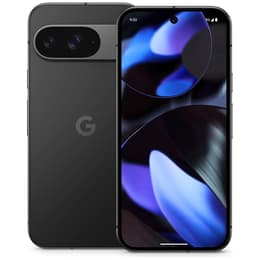
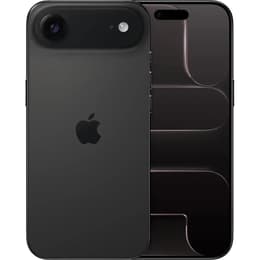
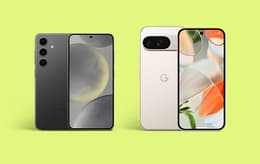
Google Pixel 9 • Unlocked vs iPhone Air • Unlocked
- 1-year warranty
- Free standard shipping
- Free 30-day returns
Differences at a glance
The Google Pixel 9 (2024) and the Apple iPhone Air (2025) represent distinct modern approaches to smartphone design, balancing everyday usability with advanced mobile technology. While the Google Pixel 9 runs on the Android ecosystem with an emphasis on integrated artificial intelligence features, the iPhone Air operates on iOS and prioritizes an ultra-slim profile. Both devices offer high-tier performance, yet their contrasting software environments and physical layouts cater to different user preferences.
Available Models
Color
Storage (GB)
Scores
Durability
Both smartphones are built to handle long-term daily use, though they approach durability and software support through different timelines and physical engineering choices.
- Software Support and Updates: The Google Pixel 9 benefits from an extended manufacturer commitment providing seven years of OS updates and security patches, whereas Apple typically supports its devices for a similarly robust multi-year window through regular iOS releases.
- Build and Materials: The Google Pixel 9 features durable glass protection and an aluminum frame, while the iPhone Air utilizes a titanium frame paired with reinforced ceramic glass to maintain structural rigidity despite its minimal thickness.
- Repairability and Lifespan: Both models offer solid expected practical lifespans, and opting for a quality-assured refurbished option provides a sustainable choice that extends device longevity while reducing electronic waste.
Release Year
2024
2025
Last OS Compatibility
Yes
Yes
OS
Android
iOS
Foldable
No
No
Performance
System responsiveness and day-to-day multitasking capabilities remain swift on both devices, ensuring smooth operation across demanding tasks and casual applications.
- Multitasking and App Handling: Both models come equipped with ample memory capacity to keep multiple applications open simultaneously without noticeable stutter or slowdown during switching.
- Battery Behavior: The Google Pixel 9 includes a larger battery capacity designed to comfortably power standard daily workflows, while the iPhone Air balances its thinner physical battery size with power-efficient system processing.
- Storage Configurations: Both smartphones offer generous starting storage tiers alongside expanded options for users who store large media libraries and offline files locally.
Screen quality
Viewing experiences on both handsets deliver bright, clear visuals tailored for media consumption, gaming, and outdoor readability.
- Display Technology: The Google Pixel 9 utilizes a vibrant OLED panel with smooth refresh rate capabilities, matching the smooth scrolling performance found on the iPhone Air's high-refresh-rate screen.
- Brightness and Outdoor Clarity: Both displays reach high peak luminance levels, ensuring that text and images remain easily legible under direct sunlight.
- Size and Resolution: The Google Pixel 9 offers a compact form factor with high pixel density, while the iPhone Air provides a slightly larger screen real estate within a wide aspect ratio.
Resolution
1080 x 2424
2736x1260
Screen type
OLED
Super Retina XDR
Audiovisual
Photographic and video recording tools on each device capture sharp details, handling everyday snapshots and low-light environments effectively.
- Camera Hardware: The Google Pixel 9 features a dual rear camera system including a wide and ultra-wide lens, whereas the iPhone Air streamlines its layout with a single high-resolution main camera.
- Video and Audio Recording: Both phones record crisp high-definition video with integrated stabilization features, complemented by clear microphone output for calls and voice memos.
- Media Consumption: Built-in stereo speakers on both devices deliver balanced audio output for podcasts, videos, and music playback.
Main camera
50 megapixels
48 megapixels
Front camera
10.5 megapixels
18 megapixels
Miscellaneous
Physical dimensions and connectivity standards shape how each smartphone feels during daily handling and travel.
- Dimensions and Weight: The Google Pixel 9 offers a traditional, weighted feel in the hand, while the iPhone Air distinguishes itself with a lightweight profile and exceptionally thin depth.
- Ports and Charging: Both devices utilize universal USB-C ports for wired data transfer and charging, alongside fast wireless charging compatibility.
- Security and Connectivity: Both models support modern 5G networks and secure biometric authentication options, including fast facial recognition and in-display fingerprint sensors.
Weight
7 oz
185 oz
Screen size (inches)
6.3
6.5
Network
5G
5G
SIM card
Physical SIM + eSIM
eSIM
Carrier compatibility
Unlocked
Unlocked
Connector
USB-C
USB-C
What the community thinks
User feedback highlights distinct preferences for each device based on everyday practical needs. Owners of the Google Pixel 9 frequently praise its reliable battery longevity, deep integration of helpful artificial intelligence tools, and comfortable ergonomic grip. Conversely, users favor the iPhone Air for its exceptionally lightweight build, streamlined iOS environment, and premium titanium construction. Common discussions note that the single camera on the iPhone Air prioritizes simplicity over versatility, while the Pixel 9's physical thickness reflects its larger battery capacity.
Users prioritizing deep software customization and long-term update commitments will find the Google Pixel 9 well-suited to their needs, while users prioritizing an ultra-lightweight form factor and the iOS ecosystem may lean toward the iPhone Air. Selecting an eco-friendly alternative through a refurbished device provides a practical way to acquire either model while supporting sustainable consumption practices. Ultimately, the choice depends on whether a user values a traditional rugged build with expanded camera versatility or a breakthrough slim profile.