
iPhones
Compare models
Differences at a glance
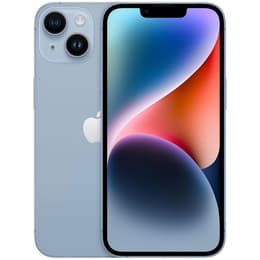
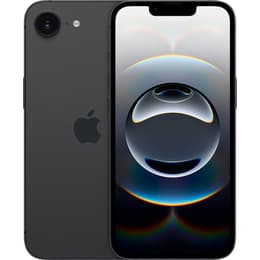
The iPhone 14, released in September 2022, and the iPhone 16e, introduced in February 2025, represent different approaches within Apple's smartphone lineup. While the iPhone 14 served as a standard flagship model, the iPhone 16e was positioned as a more accessible option, incorporating newer internal components and a distinct camera configuration. Both devices operate on Apple's iOS ecosystem, offering a familiar user experience.
Color
Storage
When considering the longevity of these devices, several factors come into play, including their release timelines, software support, and physical design for repairability.
Release Year
OS
Foldable
The performance of a smartphone is largely determined by its internal processing unit and memory, impacting how smoothly applications run and how efficiently tasks are handled.
The display is a primary interface for user interaction, and both the iPhone 14 and iPhone 16e offer high-quality visual experiences with some key differences.
Resolution
Screen type
The camera systems on both the iPhone 14 and iPhone 16e are designed to capture high-quality images and videos, though they employ different hardware configurations.
Main camera
Front camera
Beyond core specifications, several practical elements contribute to the overall user experience and daily usability of these smartphones.
Weight
Screen size (inches)
Network
SIM card
Carrier compatibility
Connector
The iPhone 14 and iPhone 16e, while sharing a similar form factor and display technology, cater to slightly different user priorities due to their generational differences and design philosophies.
Users often praise the iPhone 14 for its reliable dual-camera system, consistent performance for everyday tasks, and robust build quality with Ceramic Shield protection. Common feedback highlights its solid battery life for a full day of use and the familiarity of its iOS experience. Some users, however, noted that its camera system, while capable, lacked some of the advanced features found in Pro models, and its Lightning port represented an older standard compared to the industry's shift towards USB-C.
The iPhone 16e, despite its brief market presence, was generally well-received for bringing a more modern processor (A18 chip) and increased RAM, resulting in snappier performance and better support for advanced features like Apple Intelligence. Its single 48MP camera offered high detail, and the inclusion of a USB-C port and Action Button were seen as significant usability upgrades. However, its rapid discontinuation in favor of the iPhone 17e means its long-term software support and availability as a new model were limited. This makes it a unique consideration for those seeking newer technology in a more compact, accessible package, but with a shorter official lifecycle.
Users prioritizing a proven, long-supported device with a capable dual-camera setup may find the iPhone 14 well-suited to their needs. Conversely, those who value the latest processing power, enhanced multitasking capabilities, a modern USB-C port, and the customizable Action Button, and are comfortable with a device that had a shorter initial market window, might lean towards the iPhone 16e. Both models, when considered as quality-assured refurbished options, offer an eco-friendly alternative for consumers seeking reliable Apple technology.