Compare models

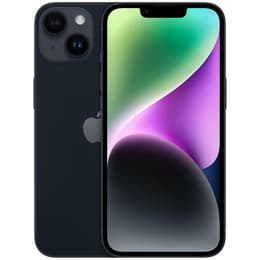
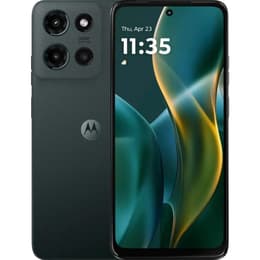
iPhone 14 • Locked T-Mobile vs Motorola Moto G (2025) • Unlocked

  • 1-year warranty
  • Free standard shipping
  • Free 30-day returns
iPhone 14 • Locked T-Mobile
Starting at

Refurbished price:$289.22

Versus $599.00 new

See options

Differences at a glance

The iPhone 14 (2022) and the Motorola Moto G (2025) represent two distinct approaches to everyday mobile technology, balancing established flagship software ecosystems against accessible modern functionality. While the iPhone 14 operates on Apple's tightly integrated iOS platform and is locked to the T-Mobile network, the Motorola Moto G runs on the open Android operating system and is offered fully unlocked for carrier flexibility. These core differences in software and network restriction shape how each device fits into daily routines.

Available Models

Color

Storage (GB)

Scores

Durability

When evaluating hardware durability and software lifespan, these two devices offer contrasting timelines and support structures suited for different ownership durations.

  • Software Support Duration: The iPhone 14 benefits from long-term operating system updates typically extended across many years, whereas the Motorola Moto G provides a more modest window of major system updates typical of its category.
  • Build and Repairability: The iPhone 14 features glass and aluminum construction protected by specialized front shielding, while the Motorola Moto G utilizes durable everyday materials designed to handle routine handling impacts reliably.
  • Expected Practical Lifespan: Users seeking an extended multi-year device lifecycle will find the iPhone's consistent update cadence advantageous, while the Motorola model serves well for straightforward, medium-term utility.

Release Year

2022

2025

OS

iOS

Android

Foldable

No

No

Performance

Underneath the exterior, both smartphones handle daily routines, app switching, and media playback through very different internal configurations and battery setups.

  • Battery Behavior: The Motorola Moto G includes a high-capacity power cell designed to easily stretch through a full day of mixed use, while the iPhone 14 relies on software efficiency to manage its moderately sized battery through standard daily routines.
  • Multitasking and Responsiveness: The iPhone 14 handles demanding mobile games and heavy application suites smoothly thanks to its optimized internal architecture, whereas the Motorola Moto G efficiently manages everyday tasks, web browsing, and messaging.
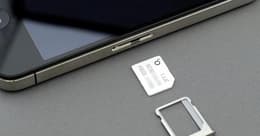
  • Storage Management: The iPhone 14 relies entirely on fixed internal storage tiers, whereas the Motorola Moto G supports expandable storage via a microSD card slot for users with large media libraries.

Screen quality

Visual output and display responsiveness vary significantly between the two models, impacting media consumption and outdoor usability.

  • Display Technology: The iPhone 14 utilizes a vibrant OLED display that delivers deep contrast ratios and rich colors, whereas the Motorola Moto G features an expansive LCD screen focused on everyday clarity.
  • Refresh Rate and Smoothness: The Motorola Moto G incorporates a fast refresh rate for fluid scrolling through menus and web pages, while the iPhone 14 utilizes a standard refresh rate paired with high pixel density for sharp text rendering.
  • Viewing Experience: The iPhone 14 offers a compact 6.1-inch form factor ideal for one-handed navigation, while the Motorola Moto G provides a larger 6.7-inch viewing area suited for watching videos and reading documents.

Resolution

1170 x 2532

720x1604

Screen type

Super Retina XDR OLED

IPS LCD

Audiovisual

Photography and media recording capabilities cater to different creative preferences, ranging from cinematic video features to straightforward snapshot tools.

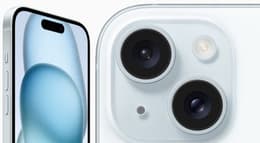
  • Camera System Capabilities: The iPhone 14 pairs a reliable dual-lens rear setup with advanced computational photography engines for detailed low-light captures, while the Motorola Moto G utilizes a high-resolution main sensor for sharp daily photography.
  • Video and Audio Output: The iPhone 14 supports advanced stabilization modes and high-resolution video recording formats, whereas the Motorola Moto G handles standard high-definition video recording and clear voice calls via multiple integrated microphones.
  • Media Consumption: Stereo speaker output on both devices delivers adequate sound clarity for casual video watching and speakerphone calls without requiring external accessories.

Miscellaneous

Practical physical characteristics and connectivity standards dictate how comfortably each phone integrates into travel, work, and communication habits.

  • Connectivity and Ports: The iPhone 14 relies on proprietary charging connections and digital-only subscriber profiles, whereas the Motorola Moto G features a universal USB-C charging port and a traditional headphone jack.
  • Security and Biometrics: The iPhone 14 utilizes facial recognition technology for secure authentication, while the Motorola Moto G offers a physical fingerprint reader alongside face unlock options.
  • Physical Dimensions: The iPhone 14 is lighter and more compact for pocket storage, whereas the Motorola Moto G offers a larger physical footprint that accommodates its expansive display and robust battery.

Weight

6 oz

7 oz

Screen size (inches)

6.1

6.7

Network

5G

5G

SIM card

eSIM

Physical SIM + eSIM

Carrier compatibility

T-Mobile

Unlocked

What the community thinks

Choosing between these two smartphones depends heavily on your preferred software environment, carrier requirements, and daily usage habits. Users prioritizing deep ecosystem integration, long-term software updates, and compact photography tools will find the iPhone 14 well-suited to their needs, provided they intend to use the T-Mobile network. Conversely, users who value a flexible unlocked device, expandable storage, a larger screen with a fast refresh rate, and an open operating system will lean toward the Motorola Moto G.

For buyers interested in sustainable technology acquisition, choosing a quality-assured refurbished option provides an eco-friendly alternative that extends device life cycles while supporting responsible consumption. Ultimately, reviewing your specific network needs and daily app requirements will clarify which device aligns best with your lifestyle.

Our recent comparisons