Compare models
iPhone 17 • Unlocked vs iPhone SE (2022) • Locked Verizon
- 1-year warranty
- Free standard shipping
- Free 30-day returns
Differences at a glance
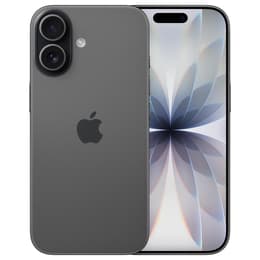
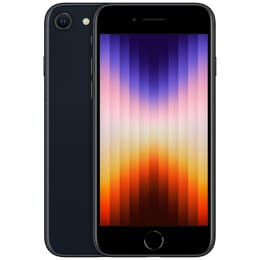
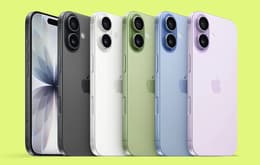
The iPhone 17 (2025) and the iPhone SE (2022) represent distinctly different eras, design philosophies, and feature sets within Apple's smartphone ecosystem. While the iPhone 17 showcases modern smartphone standards with an expansive edge-to-edge display and updated internals, the iPhone SE (2022) retains a traditional compact form factor complete with physical navigation controls. Both devices run on iOS and receive regular software updates, though their hardware capabilities and user experiences cater to contrasting preferences.
Available Models
Color
Storage (GB)
Scores
Durability
When evaluating structural longevity, the iPhone 17 and the iPhone SE (2022) offer different timelines for ongoing software updates and physical durability.
- Software support timeline: The iPhone 17 benefits from a newer release year, ensuring extended access to major operating system updates compared to the older iPhone SE (2022).
- Build durability: The iPhone 17 features reinforced front glass protection and advanced water resistance ratings, whereas the iPhone SE (2022) utilizes standard glass panels and more moderate moisture protection.
- Expected lifespan: Users looking for a device that retains long-term update compatibility and modern hardware resilience will find the newer model naturally suited to extended use.
Release Year
2025
2022
Last OS Compatibility
Yes
Yes
OS
iOS
iOS
Foldable
No
No
Performance
Under everyday conditions, both devices handle routine tasks like messaging and web browsing smoothly, though heavy workloads reveal structural capability differences.
- Multitasking and memory: The iPhone 17 includes increased memory capacity, allowing multiple demanding applications to remain active simultaneously without reloading.
- App loading and gaming: Current-generation internal processing on the iPhone 17 handles intensive mobile games and resource-heavy software with greater stability than the older hardware inside the iPhone SE (2022).
- Battery behavior: The iPhone SE (2022) features a smaller battery capacity that typically requires more frequent recharging during heavy daily use, whereas the iPhone 17 offers a larger power reserve designed to last through a full day of mixed activity.
Screen quality
Visual experiences differ significantly between the two models due to contrasting display technologies and physical dimensions.
- Display technology: The iPhone 17 utilizes an advanced OLED screen with deep black levels and vibrant color reproduction, while the iPhone SE (2022) employs a traditional smaller LCD panel.
- Refresh rate and smoothness: Motion and scrolling appear noticeably smoother on the iPhone 17 thanks to a high refresh rate display, compared to the standard refresh rate on the iPhone SE (2022).
- Screen size and brightness: The iPhone 17 provides a larger viewing area and higher peak outdoor brightness, making media consumption and text readability easier in bright sunlight than the compact 4.7-inch screen on the iPhone SE.
Resolution
2622x1206
750 x 1334
Screen type
Super Retina XDR
Retina IPS LCD
Audiovisual
Photography and media capture capabilities vary based on the lens configurations and internal image processing systems built into each handset.
- Camera versatility: The iPhone 17 features a dual-lens rear system including a high-resolution ultra-wide option, whereas the iPhone SE (2022) relies on a single rear camera.
- Low-light performance: Advanced sensor technology on the iPhone 17 captures clearer details in dim environments, while the iPhone SE (2022) lacks dedicated low-light modes for challenging lighting conditions.
- Audio and media output: Stereo speakers on the iPhone 17 deliver wider dynamic range and higher volume output for video playback and calls compared to the more modest speaker setup on the iPhone SE.
Main camera
48 megapixels
12 megapixels
Front camera
18 megapixels
7 megapixels
Miscellaneous
Practical day-to-day interactions involve distinct connectivity standards, physical ports, and security authentication methods.
- Biometric security: The iPhone 17 uses face recognition technology, while the iPhone SE (2022) retains a physical home button with fingerprint authentication.
- Physical connectors: The iPhone 17 adopts the universal USB-C connection standard, whereas the iPhone SE (2022) relies on the older Lightning port.
- Handling and dimensions: The iPhone SE (2022) offers a lightweight, highly compact body that fits easily into small pockets, while the iPhone 17 provides a larger physical footprint to accommodate its expansive screen.
Weight
185 oz
3 oz
Screen size (inches)
6.3
4.7
Network
5G
5G
SIM card
eSIM
Physical SIM + eSIM
Carrier compatibility
Unlocked
Verizon
Connector
USB-C
Lightning
What the community thinks
User feedback from online communities highlights distinct preferences for each device. Owners of the iPhone SE (2022) frequently praise its familiar physical home button, pocket-friendly size, and straightforward operation. Conversely, users of the iPhone 17 emphasize appreciation for its modern display fluidity, expanded screen space, and reliable battery longevity during demanding workdays. Frequent criticisms for the older model usually center around the smaller battery capacity and limited camera versatility in low light.
Users who prioritize a compact form factor, physical navigation, and simplicity may prefer the iPhone SE (2022). Meanwhile, users prioritizing media consumption, modern screen fluidity, and advanced camera options will lean toward the iPhone 17. For consumers seeking a sustainable choice, a quality-assured refurbished option provides an eco-friendly alternative that extends device lifecycles without compromising performance expectations.