Compare models
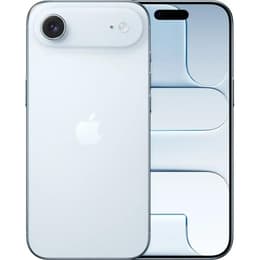
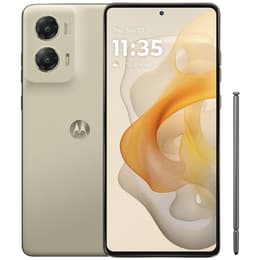
iPhone Air • Unlocked vs Motorola Moto G Stylus 5G (2024) • Unlocked
- 1-year warranty
- Free standard shipping
- Free 30-day returns
Differences at a glance
The iPhone Air (2025) and the Motorola Moto G Stylus 5G (2024) represent entirely different approaches to modern smartphone design, catering to distinct user preferences in mobile technology. While the iPhone Air focuses on an ultra-slim profile and advanced ecosystem capabilities running on iOS, the Motorola Moto G Stylus 5G centers its experience around built-in stylus functionality and an Android-powered interface. These two devices highlight contrasting priorities in everyday usability, ergonomics, and functional tooling.
Available Models
Color
Storage
Scores
Durability
When evaluating structural longevity and software support, both smartphones offer distinct timelines shaped by their release years and manufacturer frameworks.
- Software Support: The iPhone Air benefits from Apple's extended update cycles, ensuring frequent system upgrades and security patches over many years, whereas the Motorola Moto G Stylus 5G follows a more standard Android upgrade path limited to a single major operating system update.
- Hardware and Build: The iPhone Air utilizes a titanium frame and reinforced glass designed to withstand regular wear, while the Motorola model features a vegan leather back finish that prioritizes ergonomic comfort and grip.
- Practical Lifespan: Users seeking multi-year software relevance will find the iPhone Air well-equipped for long-term use, while the Motorola device suits users who follow shorter upgrade cycles.
Release Year
2025
2024
Last OS Compatibility
Yes
Yes
OS
iOS
Android
Foldable
No
No
Performance
Daily speed and efficiency vary significantly between these devices based on their internal architecture and software optimization.
- Multitasking and Processing: The iPhone Air handles demanding applications, graphic-heavy tasks, and swift multitasking smoothly thanks to its high-performance processing hardware, whereas the Motorola Moto G Stylus 5G efficiently manages everyday messaging, web browsing, and media streaming with its mid-range processor.
- Storage Configurations: Apple provides spacious internal storage tiers starting at higher capacities without expansion slots, while Motorola includes built-in microSD card support for expandable storage flexibility.
- Battery Behavior: The slim profile of the iPhone Air houses a compact battery designed for standard daily routines, whereas the larger chassis of the Motorola device accommodates a high-capacity battery that easily stretches through extended periods of heavy use.
Screen quality
Visual immersion and display technology differ notably in panel construction, refresh rates, and overall viewing comfort.
- Display Technology: The iPhone Air features a vibrant OLED display with deep contrast levels and high pixel density, while the Motorola device utilizes an expansive screen tailored for comfortable media consumption and note-taking.
- Refresh Rate and Smoothness: The iPhone Air incorporates a responsive 120 Hz refresh rate for fluid scrolling and animations, compared to the standard refresh capabilities found on the Motorola display.
- Outdoor Visibility: Both panels offer adequate brightness for daytime outdoor viewing, though the high peak brightness of the Apple display maintains sharper clarity under direct sunlight.
Resolution
2736x1260
1080 x 2400
Screen type
Super Retina XDR
P-OLED
Audiovisual
Media capture and audio output capabilities cater to different creative needs and multimedia consumption habits.
- Camera Systems: The iPhone Air relies on a streamlined single-lens rear setup paired with advanced computational photography software for crisp daily shots and high-resolution video, whereas the Motorola Moto G Stylus 5G features a dual-camera array with dedicated ultra-wide versatility.
- Video and Audio: Apple delivers robust stabilization and studio-grade audio recording features for video creators, while Motorola provides straightforward recording options for casual sharing.
- Audio Playback: Media audio playback differs as the iPhone Air utilizes a simplified speaker configuration, whereas standard stereo tuning on alternative devices provides balanced sound for casual listening.
Main camera
48 megapixels
50 megapixels
Front camera
18 megapixels
32 megapixels
Miscellaneous
Practical daily usability elements, physical dimensions, and integrated features define the physical interaction with each smartphone.
- Physical Dimensions: The iPhone Air emphasizes an extraordinarily thin and lightweight construction that rests easily in pockets, while the Motorola Moto G Stylus 5G carries a slightly thicker and heavier build to accommodate its integrated physical stylus.
- Connectivity Standards: The iPhone Air supports advanced wireless protocols including current-generation Wi-Fi and fast data bands, alongside universal USB-C connectivity shared with the Motorola model.
- Authentication and Security: Apple utilizes facial recognition for device security, whereas Motorola implements a side-mounted fingerprint sensor embedded within the power button for rapid unlocking.
Weight
185 oz
7 oz
Screen size (inches)
6.5
6.7
Network
5G
5G
SIM card
eSIM
Physical SIM
Carrier compatibility
Unlocked
Unlocked
Connector
USB-C
USB-C
What the community thinks
User feedback and community discussions highlight distinct advantages for both smartphones. Owners of the iPhone Air frequently praise its remarkably lightweight form factor, premium build materials, and long-term software outlook, though some users note that its slim battery capacity requires mindful power management during intensive days. Conversely, users of the Motorola Moto G Stylus 5G appreciate the tactile precision of the built-in stylus, expandable storage, and dependable battery longevity, while pointing out that its processing speed and software update timeline are more modest.
Users prioritizing a featherlight design, extended software support, and fluid display performance will find the iPhone Air well-suited to their daily routine. Meanwhile, users who value hands-on productivity tools like a stylus, expandable storage capacity, and prolonged battery endurance will lean toward the Motorola Moto G Stylus 5G. For buyers looking toward sustainable choices, opting for a quality-assured refurbished option provides an eco-friendly alternative to purchasing brand-new hardware. Selecting the right device ultimately depends on balancing physical design preferences with everyday functional requirements.