
iPhones
Compare models
Differences at a glance
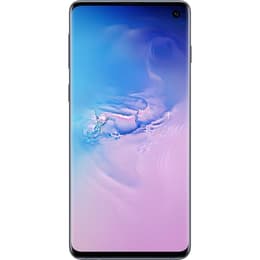
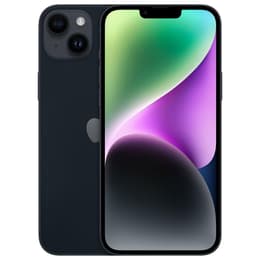
The Samsung Galaxy S10, released in March 2019, and the Apple iPhone 14 Plus, launched in October 2022, represent different generations and operating systems within the smartphone landscape. While the Galaxy S10 runs on Android, the iPhone 14 Plus operates on iOS. A primary distinction lies in their release timelines, leading to differences in hardware capabilities, software support, and overall user experience. This comparison will explore their practical differences.
Color
Storage
The practical lifespan of a smartphone is heavily influenced by its release date and software support. The Samsung Galaxy S10, released in 2019, received major Android operating system updates for approximately three years, concluding its official software upgrade cycle. In contrast, the iPhone 14 Plus, launched in 2022, benefits from Apple's extended software support, ensuring several more years of major iOS updates and security patches. Both devices feature robust build materials, with the Galaxy S10 utilizing Gorilla Glass 6 on the front and Gorilla Glass 5 on the back, while the iPhone 14 Plus incorporates Ceramic Shield on the front for enhanced drop protection. Both models also offer an IP68 rating for dust and water resistance. Users prioritizing long-term software longevity and access to the latest features will find the iPhone 14 Plus more suitable.
Release Year
Last OS Compatibility
OS
Foldable
The age difference between the Galaxy S10 and the iPhone 14 Plus significantly impacts their performance. The Galaxy S10, with its 2019-era internal components, handles everyday tasks smoothly, but may show limitations with more demanding applications or intensive multitasking. The iPhone 14 Plus, featuring a more recent generation of internal processing power, offers a noticeably more responsive experience across the board.
Users who frequently engage in graphically intensive gaming, professional-grade mobile productivity, or desire the most fluid performance will find the iPhone 14 Plus more suitable.
The visual experience on both the Galaxy S10 and iPhone 14 Plus is characterized by vibrant displays, though with distinct differences. The Galaxy S10 features a 6.1-inch Dynamic AMOLED display, known for its deep blacks and high pixel density, offering a sharp and immersive viewing experience. The iPhone 14 Plus, on the other hand, boasts a larger 6.7-inch Super Retina XDR OLED display, which also delivers excellent contrast and color accuracy.
Users prioritizing a larger screen for media or a brighter display for outdoor use may lean towards the iPhone 14 Plus, while those valuing high pixel density in a compact form factor might prefer the Galaxy S10.
Resolution
Screen type
Both the Galaxy S10 and iPhone 14 Plus offer capable camera systems, but with different approaches and generational advancements. The Galaxy S10 features a versatile triple-camera setup on the rear, including a main, telephoto, and ultrawide lens, providing flexibility for various shooting scenarios. The iPhone 14 Plus utilizes a dual-camera system with a main and ultrawide lens, focusing on computational photography enhancements.
For users who prioritize advanced video features and superior low-light photography, the iPhone 14 Plus is a strong contender. Those who value the versatility of a dedicated telephoto lens and the convenience of a headphone jack might find the Galaxy S10 appealing.
Main camera
Front camera
Beyond core performance and display, several practical elements differentiate the Galaxy S10 and iPhone 14 Plus, influencing daily usability. The Galaxy S10 features a traditional USB-C port for charging and data transfer, alongside a 3.5mm headphone jack, offering broad compatibility with existing accessories. The iPhone 14 Plus, conversely, uses Apple's proprietary Lightning port and omits the headphone jack, requiring adapters for wired audio.
Users who prefer a physical headphone jack and a universal charging port may lean towards the Galaxy S10, while those who value Face ID and a larger form factor will find the iPhone 14 Plus more aligned with their preferences.
Weight
Screen size (inches)
Network
SIM card
Carrier compatibility
The Samsung Galaxy S10 and iPhone 14 Plus cater to different user needs, largely due to their generational gap and distinct operating systems. Users often praise the Galaxy S10 for its vibrant display, versatile camera system with a dedicated telephoto lens, and the inclusion of a 3.5mm headphone jack and expandable storage, which are increasingly rare features in modern smartphones. However, common criticisms revolve around its aging software support and the performance gap when compared to newer devices. The iPhone 14 Plus, on the other hand, is frequently lauded for its robust performance, extended software longevity, advanced video capabilities, and excellent battery life. Some users, however, express a preference for Android's flexibility or the presence of a headphone jack.
Users prioritizing long-term software updates, superior overall performance for demanding tasks, and advanced computational photography features will find the iPhone 14 Plus well-suited to their needs. Its larger screen and enhanced durability also appeal to those seeking a more immersive and resilient device. Conversely, users who value the flexibility of the Android ecosystem, the convenience of a 3.5mm headphone jack, and expandable storage might prefer the Galaxy S10. It remains a capable device for everyday use, especially for those who do not require the absolute latest in processing power or camera technology. Both devices are available as quality-assured refurbished options, providing an eco-friendly alternative for consumers.