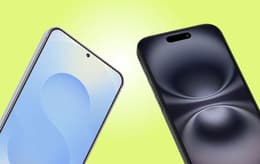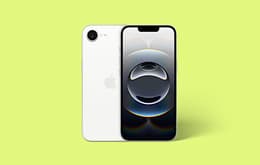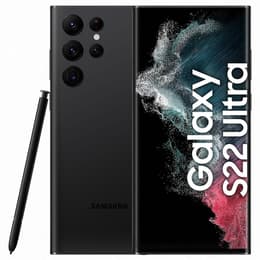
Galaxy S22 Ultra 5G • Unlocked vs iPhone 16e • Unlocked

Galaxy S22 Ultra 5G • Unlocked
Starting at

Refurbished price:$264.99

Versus $899.00 new

See options
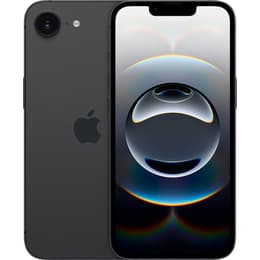
iPhone 16e • Unlocked
Starting at

Refurbished price:$362.00

Versus $599.00 new

See options

Ratings

The Samsung Galaxy S22 Ultra 5G, released in February 2022, and the Apple iPhone 16E, launched in February 2025, represent distinct approaches to high-end smartphone design and functionality. While the Galaxy S22 Ultra offers a comprehensive Android experience with a focus on versatility and a large display, the iPhone 16E provides a streamlined iOS experience with a strong emphasis on core performance and battery longevity. These devices cater to different user preferences, primarily distinguished by their operating systems and hardware philosophies.

Scores

Durability

When considering the practical lifespan of these devices, several factors come into play, including their release timelines, software support, and repairability.

  • Release Timeline and Software Support: The Galaxy S22 Ultra, released in early 2022, originally shipped with Android 12 and has received consistent software updates, with Samsung generally providing several years of OS upgrades and security patches. The iPhone 16E, launched in early 2025, came with iOS 18.3 and is expected to receive iOS updates for approximately 5-6 years from its release, potentially extending its software longevity further into the future.
  • Repairability: The iPhone 16E demonstrates improved repairability, earning a score of 7/10 from iFixit. This is attributed to features like easier battery replacement mechanisms and the absence of parts pairing issues with original equipment manufacturer (OEM) components, alongside a repair procedure for its USB-C port. Information regarding the specific repairability score for the Galaxy S22 Ultra is less prominent, though its design is typical of a flagship device from its era.
  • Expected Practical Lifespan: Users often find that both Android and iOS flagships can remain functional for many years. However, the iPhone 16E's more recent release date and Apple's typically longer software support cycle suggest it may offer a slightly extended period of official software updates compared to the Galaxy S22 Ultra.

Release Year

2022

2025

OS

Android

iOS

Foldable

No

No

Performance

The performance of a smartphone is crucial for daily tasks, from app usage to demanding games and multitasking.

  • Processor Capabilities: The Galaxy S22 Ultra is powered by either the Qualcomm Snapdragon 8 Gen 1 or Samsung's Exynos 2200, depending on the region. This hardware provides robust performance for demanding applications and multitasking, though some users have noted potential thermal throttling under sustained heavy loads. The iPhone 16E features Apple's A18 chip, which delivers fast and smooth performance for both everyday use and intensive tasks, including those leveraging Apple Intelligence features.
  • Multitasking and Responsiveness: Both devices offer a fluid user experience. The Galaxy S22 Ultra, with its available 8GB or 12GB of RAM, handles multiple applications efficiently. The iPhone 16E, typically equipped with 8GB of RAM, also provides a highly responsive interface and smooth app transitions.
  • Storage Options: Both phones offer a range of internal storage capacities. The Galaxy S22 Ultra is available in 128GB, 256GB, 512GB, and 1TB configurations. The iPhone 16E comes with 128GB, 256GB, or 512GB storage options.

Memory (GB)

8 GB

8 GB

Screen quality

The display is a primary interface for smartphone interaction, and both devices offer high-quality viewing experiences with distinct characteristics.

  • Display Technology and Resolution: The Galaxy S22 Ultra features a large 6.8-inch Dynamic AMOLED 2X display with a high resolution of 3088x1440 pixels, providing exceptional clarity and vibrant colors. The iPhone 16E sports a 6.1-inch Super Retina XDR OLED display with a resolution of 2532x1170 pixels, offering deep blacks and rich colors.
  • Brightness and Refresh Rate: The Galaxy S22 Ultra's display boasts a 120Hz adaptive refresh rate for smooth scrolling and animations, along with a peak brightness of 1750 nits, making it highly visible even in bright outdoor conditions. The iPhone 16E has a 60Hz refresh rate and offers a typical brightness of 800 nits, with a peak HDR brightness of 1200 nits.
  • Viewing Experience: The larger screen of the Galaxy S22 Ultra provides an expansive canvas for media consumption and productivity, while its 120Hz refresh rate enhances the fluidity of the user interface. The iPhone 16E's OLED display delivers excellent contrast and color accuracy, suitable for a wide range of content, though its 60Hz refresh rate is a notable difference compared to the S22 Ultra.

Resolution

1440 x 3088

2532x1170

Screen type

Dynamic AMOLED 2X

Super Retina XDR

Audiovisual

Camera capabilities are a significant consideration for many users, and these devices offer different photographic strengths.

  • Camera System Configuration: The Galaxy S22 Ultra features a versatile quad-camera system on the rear, including a 108MP main sensor, a 12MP ultrawide lens, a 10MP telephoto lens with 3x optical zoom, and a 10MP periscope telephoto lens with 10x optical zoom. It also has a 40MP front camera. The iPhone 16E is equipped with a single 48MP Fusion main camera with optical image stabilization and a 12MP front camera. It uses digital processing to achieve a 2x telephoto effect.
  • Photography Performance: The Galaxy S22 Ultra excels in zoom capabilities, offering impressive detail at high magnifications, and delivers vibrant photos with good exposure in various lighting conditions. The iPhone 16E's single main camera produces good quality images for everyday photography, with decent low-light performance, though it may not match the detail or versatility of multi-lens systems in challenging scenarios.
  • Video Recording and Features: The Galaxy S22 Ultra supports 8K video recording and offers various features, though some reviews suggest its videography could be further refined for smoothness and stabilization compared to iPhones. The iPhone 16E offers 4K video recording, but lacks some advanced video modes found in higher-end iPhones.

Main camera

108 megapixels

48MP

Front camera

40 megapixels

TrueDepth 12MP

Miscellaneous

Beyond core specifications, several practical elements contribute to the overall user experience of a smartphone.

  • Connectivity and Ports: Both devices support 5G connectivity for fast mobile data. The Galaxy S22 Ultra includes Wi-Fi 6E, while the iPhone 16E supports Wi-Fi 6. The iPhone 16E features a USB-C port, aligning with modern connectivity standards. The Galaxy S22 Ultra also uses a USB-C port.
  • Unique Features and Sensors: A key differentiator for the Galaxy S22 Ultra is its integrated S Pen, offering precise input for note-taking, drawing, and navigation. The iPhone 16E includes an Action Button for quick access to customizable functions and relies on Face ID for secure authentication. The iPhone 16E does not include MagSafe for magnetic accessories and charging.
  • Design and Handling: The Galaxy S22 Ultra is a larger and heavier device, measuring 163.3 x 77.9 x 8.9 mm and weighing 228g, which contributes to its expansive display and integrated S Pen. The iPhone 16E is more compact and lighter at 146.7 × 71.5 × 7.8 mm and 167g, offering a more manageable size for single-handed use. Both devices carry an IP68 rating for dust and water resistance.

Weight

8 oz

167 oz

Screen size (inches)

6.8

6.1

Network

5G

5G

SIM card

Physical SIM + eSIM

eSIM

Carrier compatibility

Unlocked

Unlocked

The Samsung Galaxy S22 Ultra 5G and the iPhone 16E cater to different user priorities, reflecting their respective ecosystems and design philosophies. Users often praise the Galaxy S22 Ultra for its versatile camera system, particularly its advanced zoom capabilities, and the productivity offered by its integrated S Pen and large, vibrant display. However, some common criticisms include its battery life, which, despite a large capacity, can be inconsistent for heavy users, and potential overheating under strenuous tasks.

Conversely, the iPhone 16E is frequently lauded for its exceptional battery life, often lasting a full day or more even with heavy usage, and its smooth, reliable performance driven by its efficient processor. Users appreciate its improved repairability and the consistent iOS experience. Criticisms sometimes point to its 60Hz display, the absence of MagSafe, and a less versatile single-lens camera system compared to higher-end models or multi-camera Android phones.

Users prioritizing a comprehensive camera system with extensive zoom, a large, high-refresh-rate display, and the unique functionality of a stylus may find the Galaxy S22 Ultra well-suited to their needs. On the other hand, users who value extended battery life, a compact form factor, a streamlined operating system, and improved repairability will likely lean towards the iPhone 16E. Both devices offer robust performance within their ecosystems, and choosing between them often comes down to individual preferences for operating system, camera versatility, and specific features like the S Pen. For those seeking a quality-assured refurbished option, both models can be found, offering a sustainable choice for tech enthusiasts.
See all articles

Our recent comparisons