
Compare models
Galaxy S25 • Unlocked vs iPhone Air • Unlocked
- 1-year warranty
- Free standard shipping
- Free 30-day returns
Differences at a glance
The Samsung Galaxy S25 (2025) and the iPhone Air (2025) represent distinct approaches to modern smartphone engineering, balancing compact flagship utility with ultra-slim portability. While the Galaxy S25 offers a traditional, pocket-friendly footprint powered by the Android ecosystem, the iPhone Air introduces a breakthrough minimalist profile running on Apple's iOS platform. These two devices cater to users seeking high-end performance housed in remarkably lightweight designs.
Available Models
Color
Storage (GB)
Scores
Durability
Both smartphones provide robust long-term utility, though they differ slightly in release timelines and software update commitments. Selecting a quality-assured refurbished option from Back Market allows buyers to access these modern devices as sustainable choices that extend hardware life cycles.
- Software support: Both manufacturers provide extensive multi-year software maintenance schedules, ensuring regular security updates and feature upgrades throughout the expected operational lifespan of each device.
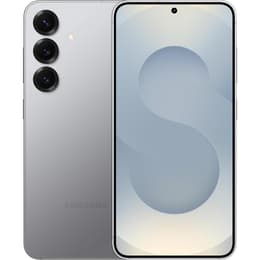
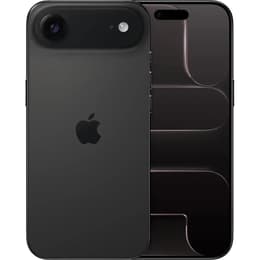
- Build durability: The Galaxy S25 utilizes reinforced glass panels and an aluminum frame, whereas the iPhone Air features a rigid titanium frame paired with scratch-resistant display shielding.
- Repairability and lifespan: Both models maintain high standards for component longevity, though professional repair services remain readily available for standard maintenance needs such as battery replacements.
Release Year
2025
2025
Last OS Compatibility
Yes
Yes
OS
Android
iOS
Foldable
No
No
Performance
Day-to-day processing power and multitasking capabilities remain exceptionally high on both handsets, though they handle system resources through different hardware configurations and operating systems. Users will find both devices well-equipped for demanding mobile applications.
- Multitasking and memory: Both models incorporate generous RAM allocations that allow smooth switching between background tasks, heavy productivity applications, and demanding mobile games without stuttering.
- Storage capacity: Configurations span multiple tiers to accommodate extensive photo libraries and large application files, though neither device supports expandable storage via memory cards.
- Battery behavior: The Galaxy S25 relies on an optimized cell capacity designed to comfortably manage a full day of mixed usage, while the iPhone Air balances its ultra-slim profile with efficient power management to sustain everyday routines.
Screen quality
Visual output is a core strength for both devices, delivering bright, crisp panels that excel across various lighting conditions. They utilize advanced OLED technology to ensure deep contrast levels and vivid color reproduction.
- Display technology: Both models feature high-refresh-rate OLED panels that ensure smooth scrolling, fluid animations, and immersive media consumption experiences.
- Outdoor visibility: High peak brightness capabilities allow both screens to remain legible and clear even under direct sunlight, minimizing glare during outdoor use.
- Size and immersion: The Galaxy S25 opts for a more compact screen size that facilitates easy one-handed operation, while the iPhone Air provides a larger display area suited for media viewing and reading.
Resolution
1080x2340
2736x1260
Screen type
Dynamic LTPO AMOLED 2X
Super Retina XDR
Audiovisual
Media creation and audio playback capabilities reflect each brand's distinct engineering priorities, offering reliable tools for capturing daily memories and consuming entertainment.
- Camera systems: The Galaxy S25 features a versatile multi-lens rear array that adapts well to various zoom and framing distances, whereas the iPhone Air streamlines photography through a high-resolution primary sensor housed in a unique structural plateau.
- Video and low light: Both devices deliver stable, sharp video recording with advanced stabilization features, alongside reliable low-light processing that retains detail in dim environments.
- Audio output: Integrated speaker setups provide clear sound for casual media streaming and hands-free calls, though external headphones or speakers enhance bass performance for extended listening sessions.
Miscellaneous
Physical dimensions and connectivity options define how each device integrates into daily routines, balancing ergonomic comfort with modern wireless standards.
- Connectivity and ports: Both models support rapid 5G cellular networks, current Wi-Fi standards, and Bluetooth connectivity, utilizing reversible USB-C ports for charging and data transfer.
- Security features: The Galaxy S25 utilizes an integrated in-display fingerprint sensor, while the iPhone Air relies on advanced facial recognition technology for secure authentication.
- Handling and ergonomics: The Galaxy S25 offers a traditional, narrow profile that fits easily into smaller pockets, whereas the iPhone Air achieves notable thinness and a lightweight feel that prioritizes sleek pocketability.
Weight
6 oz
185 oz
Screen size (inches)
6.2
6.5
Network
5G
5G
SIM card
Physical SIM + eSIM
eSIM
Carrier compatibility
Unlocked
Unlocked
Connector
USB-C
USB-C
What the community thinks
User feedback from online communities highlights distinct preferences for each device based on hardware design and software ecosystem loyalty. Galaxy S25 owners frequently praise the comfortable one-handed ergonomics, flexible camera system, and the deep customization options available through the Android platform. Conversely, iPhone Air users often emphasize appreciation for the striking ultra-slim titanium build, lightweight daily carry experience, and seamless integration within the broader Apple ecosystem. Common discussions occasionally note that the slim physical profile of the iPhone Air requires careful handling, while Galaxy S25 users mention that heavy gaming can occasionally prompt noticeable warmth near the upper rear casing.
Users prioritizing a compact, traditional form factor with flexible multi-lens photography may prefer the Galaxy S25, while users who value an exceptionally thin, lightweight build and iOS integration will lean toward the iPhone Air. Choosing a quality-assured refurbished model through Back Market provides an eco-friendly alternative for acquiring either device sustainably. Ultimately, the decision rests on whether daily preferences align more closely with Android versatility or Apple's streamlined mobile environment.