Compare models

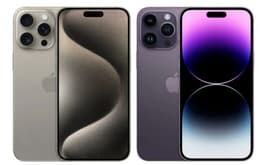
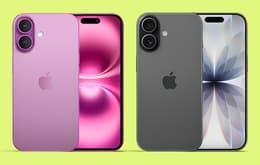
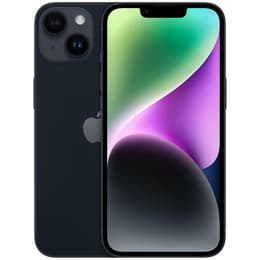
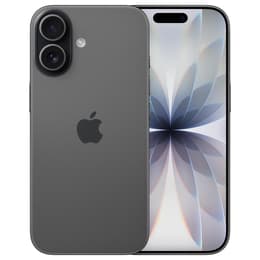
iPhone 14 • Locked T-Mobile vs iPhone 17 • Unlocked

  • 1-year warranty
  • Free standard shipping
  • Free 30-day returns
iPhone 14 • Locked T-Mobile
Starting at

Refurbished price:$288.22

Versus $599.00 new

See options
iPhone 17 • Unlocked
Starting at

Refurbished price:$813.00

Versus $829.00 new

See options

Differences at a glance

The iPhone 14 (2022) and the iPhone 17 (2025) represent different generations of Apple's smartphone lineup, with the iPhone 14 model tied specifically to the T-Mobile network and the iPhone 17 arriving as a completely unlocked device. While both models run on Apple's iOS platform and provide access to the same ecosystem of apps, they differ significantly in their release years, hardware capabilities, and network restrictions.

Choosing between these two smartphones involves weighing network flexibility against hardware generational advancements, helping buyers find an option that fits their daily mobile routines.

Available Models

Color

Storage (GB)

Scores

Durability

When evaluating the long-term viability of these devices, differences in their release timelines and carrier locks play a central role in shaping everyday expectations.

  • Release timeline and software support: The iPhone 14 launched earlier and has a shorter remaining window for major software updates compared to the newer iPhone 17, which benefits from an extended multi-year support lifecycle.
  • Carrier lock implications: The T-Mobile-locked iPhone 14 requires active service or fulfillment of carrier unlocking policies for network switching, whereas the iPhone 17 arrives fully unlocked for immediate use with any compatible carrier.
  • Expected practical lifespan: Hardware durability and ongoing software compatibility suggest that the iPhone 17 retains performance headroom for a longer duration, though both devices offer solid build durability for daily use.

Release Year

2022

2025

Last OS Compatibility

Yes

Yes

OS

iOS

iOS

Foldable

No

No

Performance

Under everyday conditions, both devices handle routine communication, web browsing, and media streaming smoothly, though their internal capabilities differ during intensive tasks.

  • Storage and multitasking headroom: The iPhone 17 generally starts with higher base storage capacities and more memory, facilitating smoother app switching and heavier background multitasking compared to baseline configurations of the older model.
  • System responsiveness: Apps load quickly and graphics-heavy games run with stable frame rates on both devices, with the newer model offering additional processing efficiency that reduces heat generation during prolonged tasks.
  • Battery behavior: Battery endurance varies based on usage habits, where intensive streaming or gaming drains the older model slightly faster, requiring mindful daily recharging routines for power users.

Screen quality

Viewing content, reading text, and navigating menus highlight clear visual differences between these two generations of displays.

  • Display technology and refresh rates: The iPhone 14 features a standard OLED screen with a fixed refresh rate, while the iPhone 17 introduces an adaptive high refresh rate technology that makes scrolling and animations appear noticeably smoother.
  • Outdoor visibility: Both models utilize bright OLED panels with deep contrast levels, though the newer generation reaches higher maximum outdoor brightness thresholds for easier reading under direct sunlight.
  • Viewing area: Screen dimensions differ slightly, with the newer model offering a marginally expanded viewing canvas inside a similarly sized physical footprint due to slimmer surrounding borders.

Resolution

1170 x 2532

2622x1206

Screen type

Super Retina XDR OLED

Super Retina XDR

Audiovisual

Capturing photos, recording video, and handling media playback reflect distinct hardware updates across these release years.

  • Camera system capabilities: The iPhone 14 relies on a dual-lens rear camera setup that handles everyday snapshots and video recording reliably, while the iPhone 17 features upgraded dual high-resolution sensors and an enhanced selfie camera for sharper detail.
  • Low-light and video performance: Advanced image processing on the newer device yields clearer low-light photographs and refined video stabilization, making it versatile for evening photography or casual content creation.
  • Audio and media consumption: Built-in stereo speakers on both smartphones deliver clear voice calls and balanced media playback, supported by responsive microphone arrays for crisp recording quality.

Main camera

12 megapixels

48 megapixels

Front camera

12 megapixels

18 megapixels

Miscellaneous

Physical dimensions, connectivity standards, and daily handling characteristics establish practical differences in how each device feels and connects.

  • Connectivity standards: The iPhone 17 incorporates updated wireless networking standards and modem technology for faster data speeds and stable connections, whereas the iPhone 14 relies on previous-generation cellular and wireless modules.
  • Physical handling: Both devices share similar form factors that fit comfortably in one hand, though slight variations in weight and frame materials create distinct tactile impressions during extended calls or typing sessions.
  • Build materials: Durable glass backs and sturdy exterior frames protect internal components on both models, complemented by water and dust resistance ratings suited for accidental splashes.

Weight

6 oz

185 oz

Screen size (inches)

6.1

6.3

Network

5G

5G

SIM card

eSIM

eSIM

Carrier compatibility

T-Mobile

Unlocked

Connector

Lightning

USB-C

What the community thinks

User discussions and community feedback indicate that the iPhone 14 remains a capable option for everyday communication, provided users are comfortable with its T-Mobile network lock. Conversely, the iPhone 17 receives consistent praise for its smoother display, upgraded camera resolution, and unlocked freedom. Users prioritizing network flexibility, modern display fluidity, and long-term performance longevity often lean toward the iPhone 17, while those seeking a straightforward communication tool within a specific carrier ecosystem frequently consider quality-assured refurbished options as a sustainable alternative that delivers comparable everyday reliability.

Ultimately, the right choice depends on whether network freedom and newer hardware capabilities outweigh the appeal of a standard smartphone experience. Evaluating personal carrier preferences and daily usage intensity will point you toward the most suitable device.

Our recent comparisons