Compare models
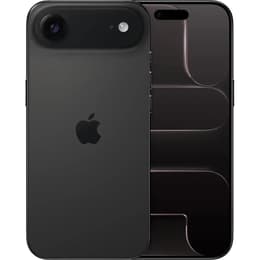
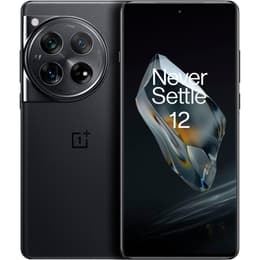
iPhone Air • Unlocked vs OnePlus 12 • Unlocked
- 1-year warranty
- Free standard shipping
- Free 30-day returns
Differences at a glance
The iPhone Air (2025) and the OnePlus 12 (2023) represent two distinct approaches to modern smartphone engineering, balancing ultra-slim portability with heavy-duty performance capabilities.
While the iPhone Air prioritizes a remarkably thin, lightweight titanium frame and Apple's integrated ecosystem running iOS, the OnePlus 12 focuses on raw hardware versatility, multi-lens camera flexibility, and Android customization.
Available Models
Color
Storage (GB)
Scores
Durability
Both devices offer robust long-term usability, though their support timelines and physical durability profiles reflect different design philosophies.
- Software support timelines: The iPhone Air benefits from Apple's extended update schedule typically spanning five to seven years, whereas the OnePlus 12 provides several years of major Android system updates.
- Build resilience: The iPhone Air utilizes scratch-resistant glass and a titanium chassis designed to withstand daily wear, while the OnePlus 12 features heavy-duty glass protection and an official dust and water resistance rating.
- Practical lifespan: Both smartphones maintain long-term reliability through efficient power management, though choosing a quality-assured refurbished option from Back Market provides a sustainable path to extending device lifecycles.
Release Year
2025
2023
Last OS Compatibility
Yes
Yes
OS
iOS
Android
Foldable
No
No
Performance
System responsiveness and everyday operation differ based on internal hardware configuration and software optimization across both models.
- Multitasking efficiency: Both devices handle demanding applications, heavy web browsing, and graphics-heavy gaming smoothly without noticeable stutter or slowdowns.
- Storage configurations: Each model offers generous internal storage tiers starting at baseline capacities of 256GB, accommodating extensive media libraries and large document files.
- Power management: The OnePlus 12 features a high-capacity battery designed to handle extended heavy use, while the iPhone Air relies on deep hardware-software integration to maximize operational endurance despite its slender profile.
Screen quality
Display characteristics on both handsets deliver bright, sharp visuals optimized for media consumption, reading, and outdoor visibility.
- Panel technology: Both models utilize advanced OLED display panels that produce deep contrast levels, rich colors, and wide viewing angles.
- Refresh rate smoothness: High refresh rate support ensures fluid scrolling through web pages and responsive touch tracking during interactive tasks.
- Outdoor visibility: High peak brightness capabilities on both screens allow content to remain legible even under direct sunlight conditions.
Resolution
2736x1260
1440 x 3168
Screen type
Super Retina XDR
LTPO AMOLED
Audiovisual
Imaging hardware and audio output vary significantly between the single-lens approach of the iPhone Air and the multi-lens system of the OnePlus 12.
- Lens versatility: The OnePlus 12 incorporates a versatile triple-camera array including a dedicated telephoto zoom lens, whereas the iPhone Air relies on a streamlined single-lens system supported by computational photography.
- Low-light performance: Both devices capture clear images in dim environments by combining advanced image sensors with automated processing algorithms.
- Media playback: Integrated stereo speakers on both models deliver clear audio output for hands-free calls, video watching, and casual music listening.
Main camera
48 megapixels
50 megapixels
Front camera
18 megapixels
32 megapixels
Miscellaneous
External hardware features, connectivity standards, and physical handling traits shape how each phone feels during daily use.
- Physical handling: The iPhone Air emphasizes a remarkably thin and light footprint for effortless pocketability, while the OnePlus 12 has a slightly heavier, contoured build that rests securely in the palm.
- Connector types: Both smartphones utilize modern universal USB-C ports for charging and wired data synchronization.
- Biometric security: The iPhone Air uses facial recognition technology for device unlocking, while the OnePlus 12 relies on an in-display fingerprint sensor.
Weight
185 oz
8 oz
Screen size (inches)
6.5
6.82
Network
5G
5G
SIM card
eSIM
Physical SIM
Carrier compatibility
Unlocked
Unlocked
Connector
USB-C
USB-C
What the community thinks
User feedback across tech forums highlights distinct preferences for each device based on individual daily workflows and platform habits. Owners of the OnePlus 12 frequently praise its rapid charging speeds, large display real estate, and flexible multi-lens camera system, though some note its larger physical footprint can feel heavy during extended one-handed use. Conversely, users of the iPhone Air often highlight its exceptional thinness, lightweight ergonomics, and smooth operating system integration, while occasionally pointing out that the single-lens camera setup lacks optical zoom versatility.
Users prioritizing a featherweight, highly portable design within an integrated software ecosystem may prefer the iPhone Air, while users prioritizing expansive screen space, rapid power replenishment, and optical zoom options will likely lean toward the OnePlus 12. Selecting either model as an eco-friendly, quality-assured refurbished device through Back Market allows consumers to make an informed, sustainable choice that matches their specific productivity and lifestyle requirements.