
General
Compare models
Differences at a glance
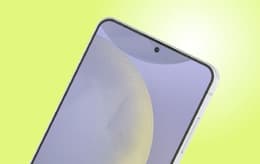
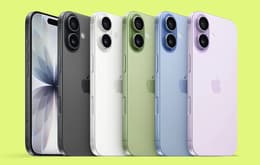
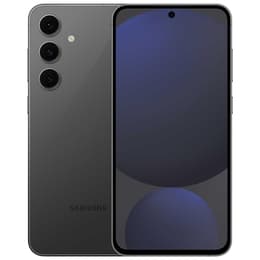
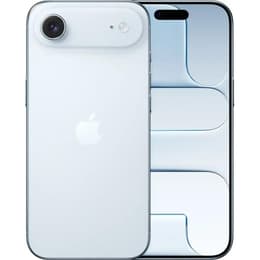
The Samsung Galaxy S24 FE (2024) and the Apple iPhone Air (2025) are modern smartphones that approach everyday mobile computing through distinct design philosophies and operating systems. While the Galaxy S24 FE focuses on delivering core productivity features within the Android ecosystem, the iPhone Air prioritizes an ultra-slim profile and lightweight form factor running iOS. These structural differences shape how each device handles daily tasks and media consumption.
Color
Storage (GB)
Both devices are built to handle long-term daily use, though their software support timelines and hardware architectures differ. Samsung provides extensive software update commitments for its device, while Apple pairs high-end internal components with robust operating system longevity.
Release Year
Last OS Compatibility
OS
Foldable
System responsiveness and daily multitasking capabilities vary based on internal hardware optimization and memory configuration. Both handsets manage demanding applications smoothly, though they handle sustained workloads through different thermal designs.
Display panels on both devices deliver high clarity, vibrant color accuracy, and smooth motion handling for everyday media consumption. Each screen incorporates high peak brightness levels to maintain visibility in bright outdoor environments.
Resolution
Screen type
Photography and media recording capabilities reflect distinct engineering choices between multi-lens versatility and minimalist hardware integration. Both systems produce clear, detailed photos and stable video footage under typical lighting conditions.
Main camera
Front camera
Physical dimensions, connectivity standards, and daily ergonomics distinguish how each phone feels and connects in real-world scenarios. Both models integrate modern wireless standards and secure biometric authentication methods.
Weight
Screen size (inches)
Network
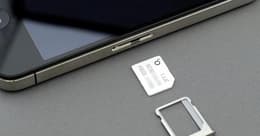
SIM card
Carrier compatibility
Connector
User discussions across community forums highlight distinct preferences for each handset. Owners of the Galaxy S24 FE frequently praise its dependable battery longevity, versatile multi-lens camera setup, and comfortable everyday usability. Conversely, admirers of the iPhone Air often emphasize its breakthrough lightweight architecture, sleek titanium build, and fluid operating system integration. Some users note that the slim profile of the iPhone Air involves a trade-off in raw battery endurance, while others mention that the Galaxy S24 FE carries a heavier physical footprint.
Users prioritizing a featherlight physical design and iOS integration will find the iPhone Air well-suited to their needs, while users valuing multi-lens camera flexibility and extended battery performance may prefer the Galaxy S24 FE. Choosing a quality-assured refurbished option provides an eco-friendly path to acquiring these devices while reducing electronic waste. Ultimately, the right choice depends on whether daily routines benefit more from an ultra-thin form factor or a versatile, battery-focused configuration.