Compare models

iPhone 14 • Locked T-Mobile vs iPhone Air • Unlocked

  • 1-year warranty
  • Free standard shipping
  • Free 30-day returns
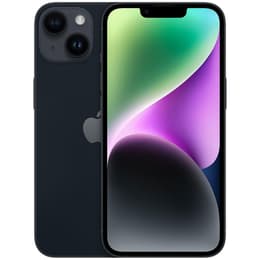
iPhone 14 • Locked T-Mobile
Starting at

Refurbished price:$265.00

Versus $599.00 new

See options
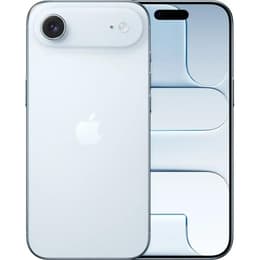
iPhone Air • Unlocked
Starting at

Refurbished price:$762.00

Versus $1,099.00 new

See options

Differences at a glance

The iPhone 14 (2022) and the iPhone Air (2025) represent two different design approaches within Apple's smartphone lineup. While the iPhone 14 T-Mobile locked model offers a traditional, compact form factor tied to a specific carrier network, the completely unlocked iPhone Air focuses on an ultra-slim titanium build and updated internal architecture. Both devices run iOS, though they target distinctly different preferences in hardware engineering and network flexibility.

Available Models

Color

Storage

Scores

Durability

When evaluating hardware longevity, these two devices reflect different release years and software update timelines, though both benefit from sturdy construction and robust build standards.

  • Software support timeline: The iPhone Air benefits from a newer release year, providing a longer window of future major operating system updates compared to the older iPhone 14.
  • Repairability and build: Both models utilize durable front glass protection and water-resistant designs, though finding a quality-assured refurbished option can also provide a sustainable choice for buyers looking to extend device lifecycles.
  • Expected practical lifespan: Due to its newer processor generation and higher memory capacity, the iPhone Air maintains performance headroom for a more extended period under future software demands.

Release Year

2022

2025

Last OS Compatibility

Yes

Yes

OS

iOS

iOS

Foldable

No

No

Performance

System responsiveness and everyday multitasking differ significantly between these models due to variations in processing generations and internal memory allocations.

  • Multitasking and memory: The iPhone Air features double the RAM capacity of the iPhone 14, allowing heavier apps and multiple browser tabs to remain open in the background without refreshing.
  • App loading and gaming: The iPhone Air handles demanding mobile games and intensive processing tasks with greater thermal efficiency thanks to its newer-generation internal hardware.
  • Storage configurations: Both devices offer ample internal storage starting points for everyday media, photos, and applications, supporting smooth daily operation for standard user routines.

Screen quality

Display technology varies between the two models in terms of size, peak brightness capabilities, and refresh rate smoothness.

  • Panel fluidity: The iPhone Air introduces a high refresh rate display reaching up to 120Hz for smoother scrolling, whereas the iPhone 14 relies on a standard 60Hz refresh rate.
  • Outdoor visibility: The iPhone Air achieves higher peak outdoor brightness levels, making content easier to read under direct sunlight compared to the iPhone 14 display.
  • Viewing area: The iPhone Air offers a slightly larger screen diagonal size, while the iPhone 14 provides a more compact footprint for single-handed operation.

Resolution

1170 x 2532

2736x1260

Screen type

Super Retina XDR OLED

Super Retina XDR

Audiovisual

Media capture and audio output capabilities diverge notably, reflecting different design priorities for photography and sound reproduction.

  • Rear camera systems: The iPhone 14 utilizes a dual-lens setup including an ultra-wide option, whereas the iPhone Air relies on a single high-resolution main camera system designed to handle multiple digital zoom ranges.
  • Front-facing capture: The iPhone Air includes an updated front sensor that improves detail and framing for video calls and self-portraits over the older hardware on the iPhone 14.
  • Audio playback: The iPhone 14 features stereo speaker output for media consumption, while the iPhone Air utilizes a mono speaker layout to accommodate its ultra-slim profile.

Main camera

12 megapixels

48 megapixels

Front camera

12 megapixels

18 megapixels

Miscellaneous

Physical handling, network freedom, and connection standards present clear practical contrasts for everyday carrying and use.

  • Carrier freedom: The unlocked iPhone Air works with any compatible network worldwide, whereas the iPhone 14 variant is locked to T-Mobile services until network unlocking conditions are met.
  • Dimensions and weight: The iPhone Air features an extremely thin and lightweight titanium profile, while the iPhone 14 offers a thicker, heavier aluminum frame design.
  • Connectivity standards: The iPhone Air incorporates newer wireless communication protocols and Bluetooth versions for faster accessory pairing and data transfers.

Weight

6 oz

185 oz

Screen size (inches)

6.1

6.5

Network

5G

5G

SIM card

eSIM

eSIM

Carrier compatibility

T-Mobile

Unlocked

Connector

Lightning

USB-C

What the community thinks

User discussions highlight distinct preferences for each device depending on daily usage habits and carrier requirements. Owners of the iPhone 14 frequently praise its comfortable one-handed size, reliable daily performance, and familiar dual-camera versatility. Common discussions around the device often note its standard refresh rate and carrier restriction if purchased through specific channels. Conversely, users gravitate toward the iPhone Air for its exceptionally lightweight titanium chassis, high refresh rate display, and expanded multitasking memory, though some note the trade-off of having a single rear camera and mono audio output.

Users prioritizing an ultra-slim design, maximum screen fluidity, and complete carrier freedom will find the unlocked iPhone Air well-suited to their needs. Meanwhile, users who prefer a compact traditional smartphone with stereo sound and standard carrier integration may lean toward the iPhone 14. Evaluating these physical and functional differences helps ensure a suitable match for individual communication styles.
Our recent comparisons