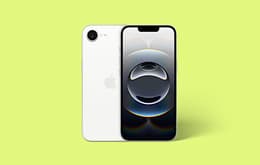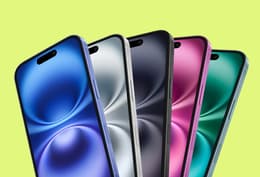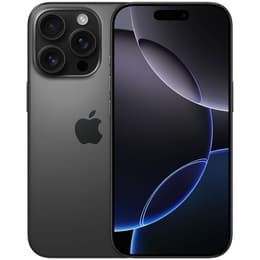
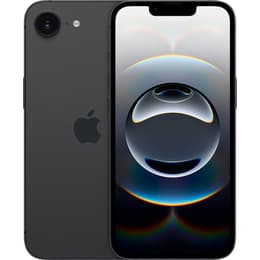

iPhone 16 Pro • Unlocked vs iPhone 16e • Unlocked

iPhone 16 Pro • Unlocked
Starting at

Refurbished price:$621.98

Versus $999.00 new

See options
iPhone 16e • Unlocked
Starting at

Refurbished price:$362.00

Versus $599.00 new

See options

Ratings

The iPhone 16 Pro and iPhone 16E, both released in September 2024, represent different tiers within Apple's smartphone lineup. While sharing the same foundational operating system and a commitment to user experience, the iPhone 16 Pro is designed for advanced users seeking enhanced capabilities, particularly in photography and display technology, whereas the iPhone 16E offers a streamlined experience focusing on core smartphone functionalities.

Scores

Durability

When considering the longevity of these devices, both the iPhone 16 Pro and iPhone 16E are built to offer a substantial practical lifespan, benefiting from Apple's consistent software support and robust build quality.

  • Release Timeline: Both models were introduced in September 2024, meaning they share the same starting point for their lifecycle. This ensures they will receive major iOS updates for a comparable duration, typically 5-6 years from their release.
  • Software Longevity: Users can expect both devices to support the latest iOS versions for many years, providing access to new features and security updates. The iPhone 16 Pro, with its more advanced internal components, may handle future, more demanding software features with slightly greater ease over its lifespan.
  • Repairability: Both models are designed with Apple's standard repairability considerations, allowing for component replacement by authorized service providers. The Ceramic Shield front cover on both devices contributes to their durability against drops.

Release Year

2024

2025

Foldable

No

No

Performance

Performance is a key differentiator, with both models delivering capable experiences for everyday use, but the iPhone 16 Pro offers additional headroom for more intensive tasks.

  • Processor Capabilities: The iPhone 16 Pro is equipped with the A18 Pro chip, while the iPhone 16E features the A18 chip. Both processors are designed for efficiency and speed, handling daily applications, web browsing, and moderate gaming smoothly. The A18 Pro in the 16 Pro provides a performance advantage for demanding applications, advanced computational photography, and graphics-intensive gaming.
  • Multitasking and Responsiveness: Both devices come with 8GB of RAM, contributing to fluid multitasking and app switching. The iPhone 16 Pro's more powerful processor ensures that even with numerous applications open or during heavy usage, the system remains highly responsive.
  • Battery Behavior: The iPhone 16 Pro features a 3,582 mAh battery, while the iPhone 16E has a 4,005 mAh battery. In real-world usage, the iPhone 16 Pro typically provides around 14-18 hours of continuous use, while the iPhone 16E can offer approximately 1.5-2 days of moderate use or up to 21 hours of streaming video playback. This suggests that while the Pro model offers strong all-day performance, the 16E might provide slightly longer endurance for typical daily tasks due to its larger battery and less power-intensive display.

Memory (GB)

8 GB

8 GB

Screen quality

The visual experience on both iPhones is vibrant and clear, though the iPhone 16 Pro introduces several enhancements that cater to users seeking a more premium display.

  • Display Technology and Clarity: Both the iPhone 16 Pro and iPhone 16E feature Super Retina XDR OLED displays, offering deep blacks, high contrast, and accurate color reproduction. The iPhone 16 Pro has a 6.3-inch display, while the iPhone 16E has a 6.1-inch display.
  • Brightness Levels: The iPhone 16 Pro offers a typical brightness of 1200 nits, an increase from previous models, and can reach up to 2000 nits peak brightness outdoors. The iPhone 16E maintains a typical brightness of 1000 nits, with a peak outdoor brightness of 2000 nits, ensuring good visibility in various lighting conditions.
  • Refresh Rate and Smoothness: A key difference lies in the refresh rate. The iPhone 16 Pro features ProMotion technology, allowing for an adaptive refresh rate up to 120Hz, which results in smoother scrolling and more fluid animations. The iPhone 16E operates at a standard 60Hz refresh rate, which is sufficient for most users but does not offer the same level of visual fluidity.

Resolution

1206 x 2622

2532x1170

Screen type

LTPO Super Retina XDR OLED

Super Retina XDR

Audiovisual

Both the iPhone 16 Pro and iPhone 16E deliver high-quality photographic and videographic capabilities, with the Pro model offering a more versatile and advanced camera system.

  • Camera System Capabilities: The iPhone 16 Pro features a triple-camera system, including a 48MP main (Fusion) camera, a 48MP ultrawide camera, and a 12MP telephoto lens with 5x optical zoom. The iPhone 16E comes with a dual-camera setup, comprising a 48MP main (Fusion) camera and a 12MP ultrawide camera with an improved f/2.2 aperture. Both models include a new Capture Button for enhanced camera control.
  • Photography Performance: The iPhone 16 Pro excels in various scenarios, particularly with its 48MP ultrawide sensor for improved low-light performance and detailed wide-angle shots, and the 5x telephoto lens for distant subjects. The iPhone 16E's main camera captures detailed images, and its improved ultrawide lens offers better low-light performance compared to its predecessors, along with macro photography capabilities.
  • Video Recording Quality: The iPhone 16 Pro supports 4K video recording at up to 120 frames per second with Dolby Vision, offering advanced options for videographers. The iPhone 16E records 4K video at up to 60 frames per second, providing excellent quality for general use. Both models support spatial video recording.

Main camera

48 megapixels

48MP

Front camera

12 megapixels

TrueDepth 12MP

Miscellaneous

Beyond core features, several practical elements distinguish the iPhone 16 Pro and iPhone 16E, impacting daily usability and connectivity.

  • Connectivity Options: The iPhone 16 Pro supports Wi-Fi 7, offering faster and more stable wireless connections, especially in compatible network environments. The iPhone 16E supports Wi-Fi 6E, which also provides robust and fast wireless performance for most users. Both models feature 5G connectivity and USB-C ports for charging and data transfer.
  • Build Materials and Dimensions: The iPhone 16 Pro features a durable and lightweight titanium frame, contributing to its premium feel. The iPhone 16E typically uses an aluminum frame. The iPhone 16 Pro has a 6.3-inch display, making it slightly larger than the 6.1-inch iPhone 16E, which can influence one-handed use and pocketability.
  • User Interaction: Both devices incorporate the Dynamic Island for interactive alerts and activities. They also feature Face ID for secure authentication. A new Capture Button is present on both models, offering tactile control over camera functions like focusing and shutter activation.

Weight

7030 oz

167 oz

Screen size (inches)

6.3

6.1

Network

5G

5G

SIM card

eSIM

eSIM

Carrier compatibility

Unlocked

Unlocked

Connector

USB-C (USB 3)

USB-C

User feedback often highlights the iPhone 16 Pro's advanced camera system and fluid ProMotion display as significant advantages, particularly for those who frequently engage in photography, videography, or appreciate a smoother visual experience. Users praise its robust performance for demanding tasks and the premium feel of its titanium build. Some common observations include its slightly larger size compared to the standard model, which might be a consideration for users preferring a more compact device.

The iPhone 16E is frequently lauded for delivering a strong overall iPhone experience, with its capable camera, vibrant display, and reliable performance for everyday use. Its battery life is often noted as a strong point, providing ample power for a full day or more of moderate use. Users appreciate its balance of features and functionality, making it a practical choice for a wide audience. Criticisms sometimes point to the absence of a high refresh rate display, which, while not a deal-breaker for everyone, is a noticeable difference when compared side-by-side with Pro models.

Users prioritizing advanced camera capabilities, particularly telephoto zoom and enhanced low-light performance, along with a smoother, more responsive display, may find the iPhone 16 Pro better suited to their needs. Its more powerful processor also appeals to those who push their devices with intensive applications or gaming. Conversely, users who value solid all-around performance, excellent battery life, and a slightly more compact form factor for daily tasks will find the iPhone 16E to be a highly capable device. It offers a comprehensive smartphone experience without some of the specialized features of the Pro model.

For those considering either model, exploring quality-assured refurbished options can provide an eco-friendly alternative, offering access to these advanced technologies while supporting sustainable consumption practices.

See all articles

Our recent comparisons