Compare models

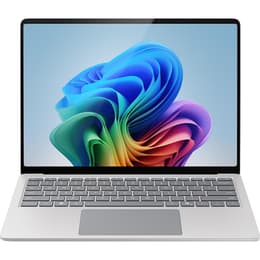
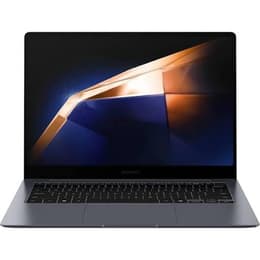
Microsoft Surface Pro 9 13" vs Samsung Galaxy Book4 Pro 14"

  • 1-year warranty
  • Free standard shipping
  • Free 30-day returns
Microsoft Surface Pro 9 13"
Starting at

Refurbished price:$816.00

Versus $899.99 new

See options
Samsung Galaxy Book4 Pro 14"
Starting at

Refurbished price:$897.00

Versus $3,500.00 new

See options

Differences at a glance

The Microsoft Surface Pro 9 13" (released in 2022) and the Samsung Galaxy Book4 Pro 14" (released in 2024) represent two distinct approaches to portable computing, balancing tablet versatility with traditional clamshell design. While the Surface Pro 9 functions as a modular two-in-one device with a detachable keyboard, the Galaxy Book4 Pro offers a lightweight, thin laptop structure with a larger integrated screen. Both run on Windows operating systems, ensuring compatibility with standard productivity software, yet they cater to different physical preferences and daily working styles.

Available Models

Storage (GB)

Processor

Memory (GB)

Scores

Durability

When evaluating long-term utility and durability, both devices offer solid software support and structural reliability, though their form factors create different considerations for ongoing maintenance.

  • Software longevity: Both machines receive consistent operating system updates and security patches through the Windows ecosystem, ensuring stable functionality for years of daily professional or academic use.
  • Repairability and physical wear: The modular design of the Surface Pro 9 allows for straightforward keyboard replacement, whereas the Galaxy Book4 Pro features a unified laptop chassis where hardware components are integrated more closely, making professional servicing more specialized.
  • Expected practical lifespan: Both options maintain steady performance for standard office tasks, web browsing, and multimedia consumption over extended multi-year cycles.

Release Year

2022

2024

OS

Windows 11

Windows 11

Performance

Performance capabilities vary depending on internal configuration choices, though both systems handle everyday computing demands smoothly.

  • Multitasking and daily speed: Both devices manage heavy web browsing, document editing, and background applications efficiently, supported by ample memory configurations.
  • Storage and battery behavior: Solid-state drive options provide rapid file access on both models, while battery duration varies depending on screen brightness and workload intensity, with users typically needing a recharge during extended full-day mobile sessions.
  • System responsiveness: Applications launch swiftly and switching between demanding programs remains fluid, keeping workflow interruptions to a minimum across both platforms.

Graphic card

Integrated Graphics

Integrated

Screen quality

Display characteristics differ significantly in size and panel technology, impacting visual tasks and media consumption.

  • Display technology: The Galaxy Book4 Pro features a vibrant AMOLED display with deep contrast and rich color reproduction, while the Surface Pro 9 utilizes a bright PixelSense touchscreen optimized for stylus input and handwriting.
  • Resolution and outdoor visibility: Both screens offer sharp resolutions that render fine text clearly, complemented by high peak brightness levels that maintain legibility under bright ambient lighting conditions.
  • Aspect ratio and workspace: The Surface Pro 9 utilizes a 3:2 aspect ratio well-suited for vertical document reading, whereas the Galaxy Book4 Pro provides a wider 16:10 format that accommodates side-by-side window multitasking comfortably.

Resolution

1920 x 1200

2880 x 1800

Screen type

LED

OLED

Audiovisual

Multimedia hardware and audio output cater to remote communication and entertainment needs differently across these two form factors.

  • Camera capabilities: The Surface Pro 9 includes both front and rear-facing cameras suited for document scanning and video calls, while the Galaxy Book4 Pro relies on a high-definition webcam integrated into the upper bezel for virtual meetings.
  • Microphone clarity: Directional microphone arrays on both devices isolate voice audio effectively during online conferences while reducing background room noise.
  • Speaker performance: Integrated stereo speakers deliver clear dialogue for media streaming and calls, though external headphones or speakers enhance bass response for music listening. Choosing a quality-assured refurbished option through Back Market can also provide access to these capable multimedia tools while supporting sustainable technology consumption.

Miscellaneous

Physical dimensions, port selections, and daily accessory compatibility define how each device integrates into mobile travel routines.

  • Connectivity and ports: The Galaxy Book4 Pro features a diverse selection of built-in ports including traditional USB and HDMI connections, whereas the Surface Pro 9 relies primarily on versatile USB-C ports alongside a dedicated magnetic charging interface.
  • Dimensions and weight: The Surface Pro 9 functions as an ultra-light tablet chassis when detached from its keyboard cover, while the Galaxy Book4 Pro maintains a slim, uniform profile that slips easily into standard backpacks.
  • Security features: Both models incorporate biometric recognition options, including facial authentication or fingerprint sensors, enabling quick and secure system login.

Weight

1 oz

43 oz

Screen size

13

14

What the community thinks

Users prioritizing maximum physical versatility, handwriting input, and a detachable tablet form factor often find the Microsoft Surface Pro 9 well-suited to their workflow. Conversely, individuals who prefer a traditional laptop experience with a large, vibrant display and integrated keyboard layout frequently lean toward the Samsung Galaxy Book4 Pro. Reviewers and everyday users frequently praise the Surface Pro 9 for its portable flexibility, while noting that its detachable keyboard requires a stable surface for lap use. On the other hand, the Galaxy Book4 Pro receives consistent recognition for its expansive screen quality and comprehensive port selection, though some users mention that its fixed clamshell design lacks the modular adaptability of a tablet. Selecting either model depends heavily on whether daily tasks favor a detachable touch-driven screen or a conventional laptop structure. For those mindful of environmental impact, exploring quality-assured refurbished options on platforms like Back Market provides a sustainable path to acquiring either device while extending the lifecycle of premium electronics.

Our recent comparisons